Finding Answers When Something Feels Off
Pets cannot tell us where it hurts or why they are acting differently. When your dog or cat is not eating, limping, coughing, or simply not acting like themselves, diagnostic care can help uncover the reason. Riverbank Animal Hospital uses a careful exam and recommended testing to gain a clearer understanding of your pet’s health. The goal is not to guess. It is to gather helpful information and make informed decisions about the next step in your pet’s care.
Your Observations Are an Important Starting Point
You know what is normal for your pet. Small details from home can help the veterinary team narrow down possible causes and decide which diagnostic options may be helpful.
Share information such as:
- When you first noticed the change
- Changes in appetite, water intake, or bathroom habits
- Coughing, sneezing, vomiting, or diarrhea
- Limping, stiffness, or trouble moving
- Changes in energy, sleep, or behavior
- Recent travel, new foods, medication, or possible toxin exposure
Photos and videos can also be helpful, especially when a symptom does not happen during the appointment. A video of coughing, limping, or an unusual episode gives the veterinarian a better view of what your pet is experiencing at home.
A Step-by-Step Approach to Diagnosis
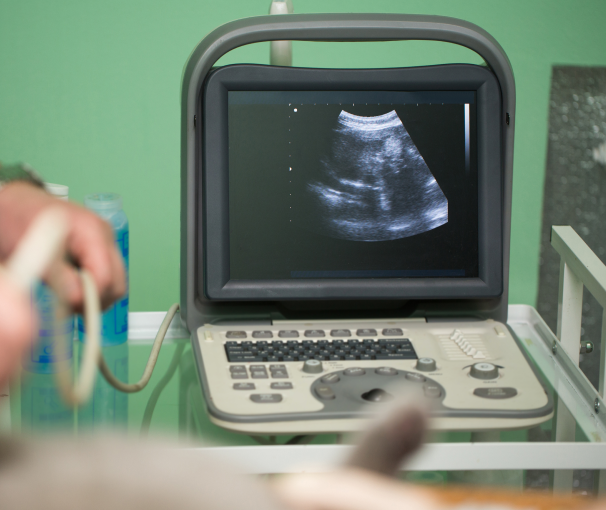
Diagnostic care begins with a complete veterinary examination. The veterinarian listens to your concerns, reviews your pet’s health history, and checks for physical changes that may point to a cause. From there, the team may recommend testing based on your pet’s symptoms, age, and exam findings. Not every pet needs the same tests. Each recommendation is made to help answer a specific health question.
Physical Examination
A hands-on exam may reveal concerns involving the heart, lungs, abdomen, skin, ears, mouth, joints, or body condition. It also helps the veterinarian decide whether further testing is needed.
Laboratory Testing
Bloodwork, urine testing, fecal testing, and other lab tests can provide information that cannot be seen during a physical exam. These tests may help assess organ function, identify infection, detect parasites, or monitor changes in your pet’s health.
Digital X-Rays
X-rays may be recommended when the veterinarian needs to see areas beneath the skin. They can be useful for evaluating bones, joints, the chest, or the abdomen, including when a pet is limping or may have swallowed something.
When Diagnostic Testing May Be Recommended
Testing is often helpful when a pet has a new symptom, an ongoing issue, or changes that need a closer look. It may also be part of pre-surgical screening or ongoing monitoring for an existing condition.
Your pet may benefit from diagnostic care for:
- Repeated vomiting or diarrhea
- Sudden changes in appetite or thirst
- Unexplained weight loss
- Lameness or joint discomfort
- Coughing or breathing changes
- Urinary accidents or trouble urinating
- Fatigue, weakness, or reduced activity
- New lumps, swelling, or pain
Clear Guidance at Every Step
Diagnostic testing can feel overwhelming when you are worried about your pet. The team explains why a test may be recommended, what it can help reveal, and what happens next. Once results are available, the veterinarian discusses the findings with you and recommends a path forward. That may include treatment, follow-up testing, monitoring, or a referral if needed. You will have the information needed to make decisions about your pet’s care.
Diagnostics for Preventive and Surgical Care
Veterinary diagnostics are not only used when a pet is sick. Baseline bloodwork may help establish what is normal for your pet and make future changes easier to identify. Testing can also be important before anesthesia or surgery, as it helps the team evaluate your pet’s overall health. Depending on your pet’s needs, pre-anesthetic screening may include a physical exam, bloodwork, and X-rays when appropriate. This information supports safer, more informed veterinary care.
Get Clear Answers for Your Pet
Riverbank Animal Hospital provides diagnostic care for pets in Kinston, NC, and nearby communities. Whether your pet has a new symptom or needs ongoing health monitoring, the team can help determine the right next step. From detailed exams and lab testing to X-rays and follow-up care, every recommendation begins with your pet’s individual needs. Contact Riverbank Animal Hospital to schedule a diagnostic appointment for your dog or cat.