Helpful Answers for Your Pet’s Health
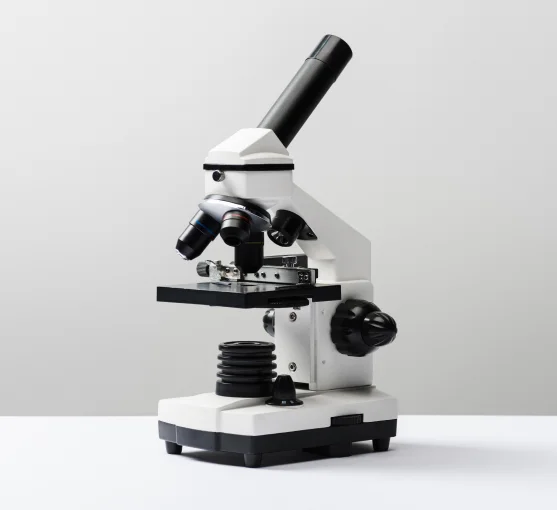
When your pet is sick or acting differently, waiting for answers can feel stressful. Riverbank Animal Hospital offers in-house laboratory testing to help the veterinary team gather important health information during your pet’s visit. Lab testing can reveal concerns that are not always visible during a physical exam. It may help explain changes in appetite, energy, bathroom habits, weight, or behavior. Results also help the veterinarian make recommendations based on your pet’s individual needs. Whether testing is part of a wellness visit, sick visit, or pre-surgical exam, it adds another layer of support for your pet’s care. The team will explain why a test is recommended and what the results may mean for your dog or cat.
In-House Testing for Dogs and Cats
Different tests answer different questions about your pet’s health. Based on the exam and your concerns, the veterinarian may recommend one or more of the following:
- Bloodwork: A blood sample can help assess your pet’s overall health and provide information about organ function, blood sugar, hydration, and other internal changes. It may be useful for pets with unexplained symptoms or for routine senior pet monitoring.
- Urinalysis: Urine testing can help evaluate hydration, bladder health, and possible urinary concerns. It may be recommended for pets with accidents, frequent urination, straining, or increased thirst.
- Fecal Testing: A fecal test checks for intestinal parasites that can affect your pet’s digestion and overall health. This screening can be especially important for puppies, kittens, outdoor pets, and pets with diarrhea.
- Heartworm and Parasite Screening: Heartworm testing and parasite screening can help identify concerns before pets show obvious signs of illness. Preventive testing is particularly important in eastern North Carolina, where mosquitoes and parasites can be active throughout much of the year.
- Pre-Anesthetic Testing: Before surgery or another procedure requiring anesthesia, laboratory testing may help the veterinarian look for health concerns that could affect your pet’s care plan.
When Lab Work May Be Recommended
Laboratory testing is not just for pets that appear seriously ill. The veterinarian may recommend testing when a symptom is new, ongoing, or difficult to explain.
Lab work may be helpful if your pet has:
- Vomiting or diarrhea
- Changes in appetite or water intake
- Low energy or weakness
- Weight loss or weight gain
- Urinary accidents or discomfort
- Skin or coat changes
- A known health condition that needs monitoring
- An upcoming surgery or dental procedure
Results That Support Better Decisions
Laboratory results are one part of your pet’s complete health picture. The veterinarian reviews them alongside your pet’s exam findings, medical history, and the changes you have noticed at home. Some results may guide treatment right away, while others may show that follow-up testing or monitoring is needed. You will receive clear information about the findings and recommended next steps. This approach helps take the guesswork out of your pet’s care.
Many pets benefit from routine laboratory testing even when they seem healthy. A baseline result gives the veterinary team a helpful reference point for future visits. This can make gradual changes easier to identify as your pet gets older. Testing may also help monitor pets managing ongoing health concerns. The veterinarian can recommend a schedule based on your pet’s age, history, and lifestyle.
A Clearer Picture of Your Pet’s Health
Riverbank Animal Hospital provides in-house laboratory testing for pets in Kinston, NC, and surrounding communities. The practice can use testing as part of preventive care, sick visits, senior pet monitoring, and pre-surgical planning. If your pet is showing a change in health or is due for routine monitoring, schedule an appointment with the Riverbank Animal Hospital team.