
Some dogs follow you from room to room. Others wait by the door for hours and explode with joy the moment you walk in. That bond is not just sweet; it is hardwired into certain breeds. If you have ever wondered which dogs form the deepest, most unshakeable connections with their owners, you are in the right place. This article covers the top 10 dog breeds known for extraordinary loyalty, why these traits developed over centuries, and what you can do to nurture that bond through consistent veterinary care for dogs and daily attention. Whether you are a first-time dog owner or adding a new companion to your household, understanding breed loyalty helps you make the right match for your family and lifestyle.
Which Dog Breeds Are the Most Loyal?
The most loyal dog breeds share a few key traits: they were bred for close human partnership, they thrive on consistent contact, and they struggle when separated from their owners for long periods. Loyalty in dogs is both a genetic trait and a learned behavior shaped by early bonding, training, and care. Dogs that rank highest for loyalty tend to be attentive, responsive to their owner’s emotions, and protective without being aggressive. The 10 breeds below consistently top the list for devotion and human attachment.
The Top 10 Dog Breeds Known for Loyalty
1. German Shepherd
German Shepherds bond intensely with their primary owner and remain alert and protective even in calm household settings. They are a popular choice across North Carolina, where families value their trainability and adaptability to both rural and suburban living. German Shepherds require mental stimulation and regular exercise. Without it, their loyalty can turn into anxiety.
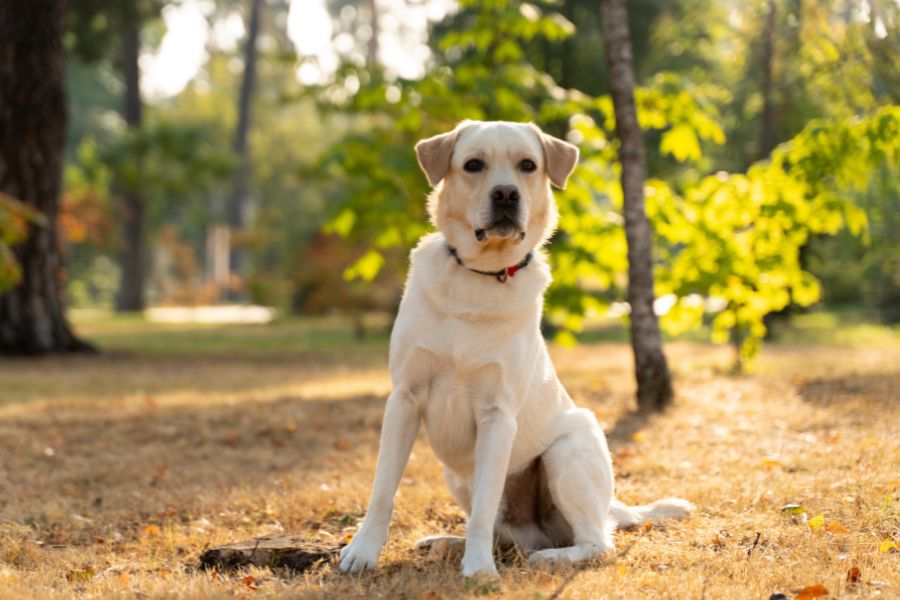
2. Labrador Retriever
The Labrador Retriever is consistently ranked the most popular dog in the United States. Labs are not just friendly; they are deeply devoted. They form strong attachments to every member of the household and are especially gentle with children. In North Carolina, Labs thrive in the mix of open yards, parks, and mild climate the state offers. Their even temperament makes them ideal loyal family dog breeds for households with kids of any age.
3. Golden Retriever
Golden Retrievers bring warmth and patience to every home they enter. They are emotionally attuned dogs that respond to their owner’s mood and adjust accordingly. Pet owners often tell us that their Goldens seem to sense when someone in the household is having a hard day and will stay close without being asked. Golden Retrievers are among the most widely loved loyal family dog breeds seen in veterinary practices across the Southeast.
4. Boxer
Boxers are playful and fiercely devoted to their families. They form especially strong bonds with children, earning the nickname “the family clown.” Boxers have high energy, but that energy is always directed toward the people they love. A Boxer left alone for too long will find ways to express frustration. Regular socialization and exercise are key to a well-balanced Boxer.
5. Doberman Pinscher
Dobermans have a reputation for being intimidating, but experienced owners know them as highly affectionate companions. They appear on every protective dog breeds list for good reason. Dobermans were bred specifically for personal protection, and that instinct translates into unwavering loyalty at home. In our experience, Dobermans kept as family pets are often velcro dogs: always nearby, always watching over their owners.
6. Rottweiler
Rottweilers are calm, confident, and profoundly devoted to their families. A well-socialized Rottweiler is a steady, dependable companion who takes their role as family guardian seriously. They tend to be reserved with strangers but affectionate with people they know well. Rottweilers thrive with clear structure, consistent training, and regular social interaction from puppyhood.
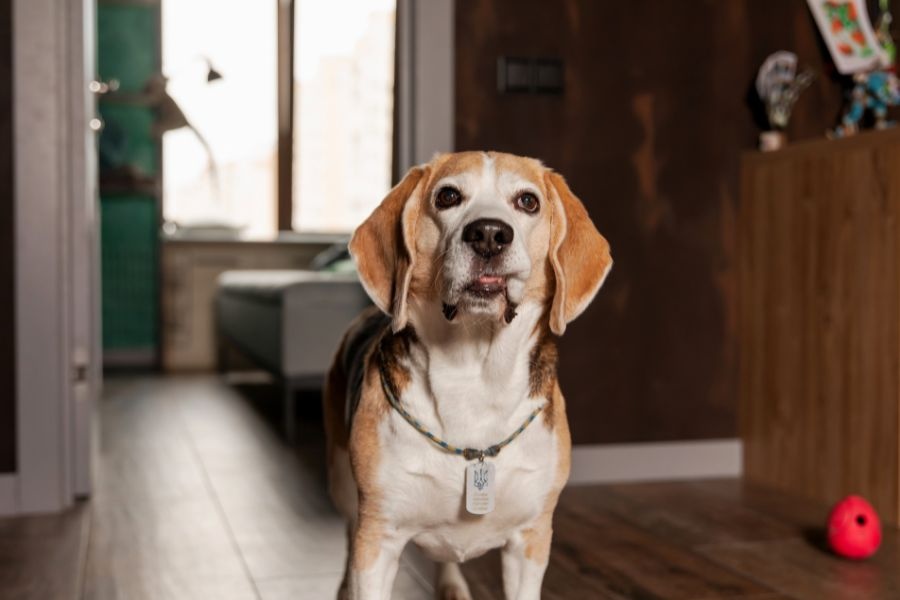
7. Beagle
Beagles may surprise people on this list, but their pack mentality makes them exceptionally devoted. They were bred to work closely with humans and other dogs, and that cooperative spirit carries into home life. Beagles rank among the best dogs for families in the South, valued for their manageable size, gentle nature, and adaptability to family life. They are vocal and curious, which keeps households entertained while cementing their bond with owners.
8. Shetland Sheepdog (Sheltie)
Shelties are sensitive, perceptive dogs that bond deeply with one or two people in the household. They are extremely responsive to tone of voice and body language. Shelties prefer to be near their people at all times. That attentiveness makes them a wonderful companion for owners who are home frequently. Many Sheltie owners in Kinston and surrounding areas describe them as shadow dogs who mirror their owner’s daily routine.
9. Akita
The Akita is a Japanese breed with a legendary reputation for devotion. The story of Hachiko, the Akita who waited at a train station for his deceased owner for nearly a decade, is one of the most famous loyalty stories in the world. Akitas form an intense, singular bond with their owner. They are reserved with strangers but devoted in a quiet, steady way with family. Akitas require confident, experienced handling and early socialization to bring out their best traits.
10. Border Collie
Border Collies are tuned in to their owner at a level few breeds match. They were bred to work in constant communication with a human handler, and that attunement does not switch off at home. Border Collies are happiest when they have a job to do alongside their owner. Their loyalty is active: they want to be involved in everything you do. They are high-energy dogs best suited for active households.
Why Do Some Dogs Bond More Deeply Than Others?
Canine loyalty is shaped by generations of selective breeding. Dogs bred to work closely with humans, such as herding breeds, working breeds, and companion breeds, developed stronger attachment instincts over time. Research suggests that dogs are the only non-human species to spontaneously seek comfort from humans during stress, a trait that reflects thousands of years of co-evolution with people.
Loyalty is also influenced by early life experience. Dogs socialized properly between 3 and 14 weeks of age form stronger, more stable human bonds than dogs who miss that window. In North Carolina, we see this in shelters and rescues regularly. Dogs with limited early human contact can still bond well, but it requires more patience and consistency from the owner.
Breed is a strong starting point, but individual temperament matters just as much. Two Labrador Retrievers from the same litter can have noticeably different attachment styles depending on environment and early handling.
How to Strengthen the Bond With Your Loyal Dog
Building a deep bond does not happen automatically. It takes daily investment. Here are the most effective ways to strengthen loyalty with any breed:
- Spend consistent one-on-one time daily. Even 15 to 20 minutes of uninterrupted attention is meaningful to a dog.
- Train regularly using positive reinforcement. Training builds trust and communication, not just commands.
- Stick to a predictable routine. Dogs are creatures of habit. Consistent schedules reduce anxiety and reinforce your role as a reliable presence.
- Respond to your dog’s needs promptly. Dogs that feel heard and attended to bond more deeply. Ignoring stress signals erodes trust over time.
- Keep up with preventive health care. A dog that feels well behaves better and bonds more easily. Routine checkups, vaccines, and parasite prevention are foundational to a happy, devoted companion.
Pet owners often tell us that their dog’s behavior improved noticeably after resolving an undiagnosed health issue. Pain and discomfort affect bonding more than most owners realize.
Caring for Your Loyal Dog’s Long-Term Health
Loyalty is a two-way relationship. The breeds on this list give everything they have to their owners. In return, they need attentive, consistent care. Most of these breeds are working or high-energy dogs with specific health needs related to their size, coat, and temperament. German Shepherds are prone to hip dysplasia. Boxers can have cardiac concerns. Dobermans benefit from regular cardiac screening. Knowing your breed’s specific vulnerabilities keeps you ahead of potential problems.
Pet preventive care is especially important for the most loyal dog breeds, which are often sensitive and stoic. Dogs closely bonded with their owners often mask discomfort because they do not want to draw worry. The protective dog breeds list above tends to include stoic dogs that push through pain quietly. Regular wellness exams help catch problems before they become serious. Annual bloodwork, dental cleanings, joint evaluations, and parasite prevention keep your loyal companion healthy for the long haul.
At Riverbank Animal Hospital, we see every breed on this list and understand what each one needs to live a full, healthy life alongside the people they love.
Conclusion
Loyalty is one of the most remarkable things a dog can offer. The breeds above have it in abundance. They ask for little in return: a consistent routine, daily connection, and the kind of attentive veterinary care for dogs that keeps them feeling their best year after year. Whether you share your home with a protective Doberman, a gentle Golden Retriever, or a focused Border Collie, the bond you build through daily care and preventive health is what makes that loyalty last a lifetime. Book an appointment today.
Frequently Asked Questions
Q: What is the most loyal dog breed for families?
Ans: Labrador Retrievers and Golden Retrievers consistently rank as the best dogs for families seeking a loyal companion. Both breeds are gentle, adaptable, and form strong bonds with every member of the household, including young children.
Q: Are loyal dog breeds harder to care for?
Ans: Not necessarily. Many devoted breeds, such as Labs and Beagles, are straightforward to care for with regular exercise and routine vet visits. Breeds like Akitas and Dobermans require more experience and consistent training to channel their attachment instincts properly.
Q: Do loyal dog breeds suffer more from separation anxiety?
Ans: Yes, deeply bonded breeds are more prone to separation anxiety than independent breeds. German Shepherds, Boxers, and Shelties in particular can develop stress behaviors when left alone for long periods. Gradual desensitization, daily exercise, and mental enrichment help manage this significantly.
Q: How do I know if my dog is loyal or just friendly?
Ans: Loyal dogs actively seek proximity to their specific owner, respond differently to that person than to strangers, and show distress when separated. Friendly dogs are social with everyone but may not show the same selective attachment that deeply bonded breeds demonstrate.
Q: How often should a high-energy dog breed visit the vet?
Ans: Most adult dogs benefit from a wellness exam once a year. High-energy working breeds and dogs over 7 years old should be seen twice a year. Regular checkups allow your vet to catch early signs of joint issues, cardiac conditions, or dental disease before they become serious problems.