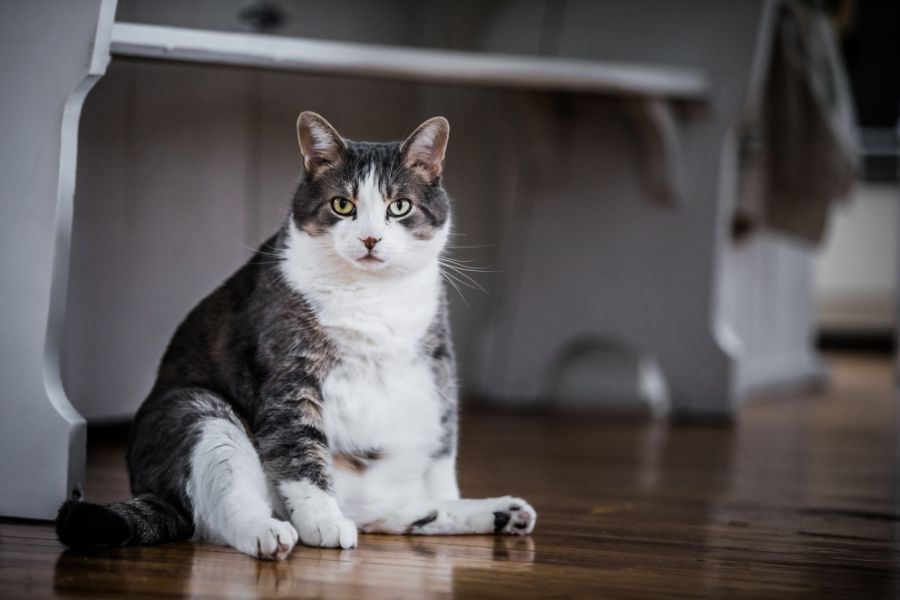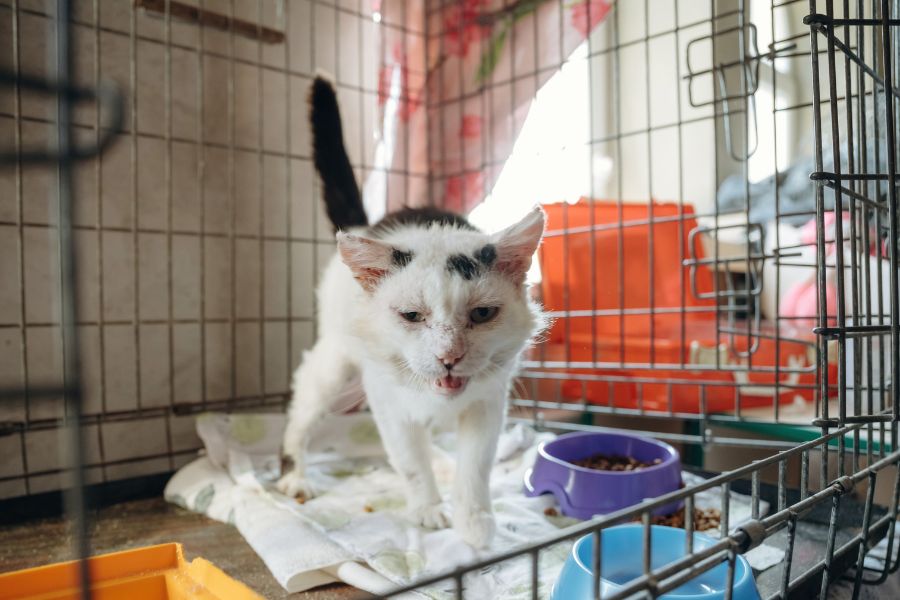

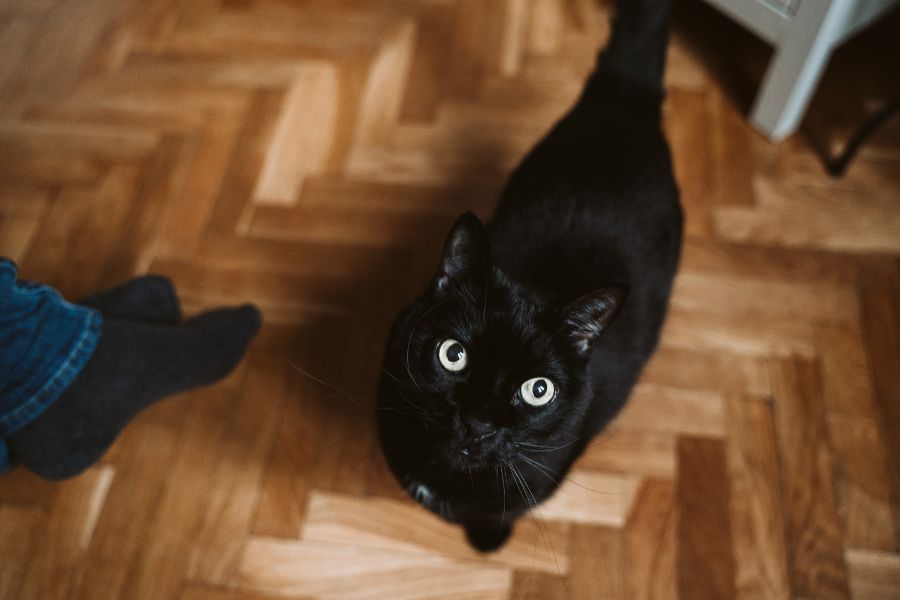
If you’ve ever caught your feline quietly watching you, you’re not alone. Cat staring behavior is one of the most common yet misunderstood habits. Many pet parents wonder, “Why is my cat staring at me?” In this guide, we’ll break down what cat staring means, from affection and curiosity to possible health concerns. Understanding your cat’s gaze can deepen your bond and help you respond appropriately to their needs.
What Does It Mean When Your Cat Stares At You?
Cats communicate in subtle ways, and staring is one of them. While it may feel intense or even a little creepy, in most cases, your cat is simply trying to interact with you.
Here are the most common reasons behind cat staring behavior:
- They are observing your actions
- They want attention or food
- They feel safe and comfortable
- They are curious about your behavior
Unlike dogs, cats rely heavily on body language and eye contact to express themselves. A steady gaze is often their way of “talking” without making a sound.
Cat Staring as a Sign of Affection
One of the sweetest explanations for a cat staring at its owner is love. Cats often stare at people they trust and feel bonded with.
Signs your cat is showing affection:
- Slow blinking while staring
- Relaxed body posture
- Sitting or lying close to you
When your cat slowly blinks at you, it’s often called a “cat kiss.” If you blink back slowly, you’re essentially returning the affection.
Cats don’t show love the same way humans do, but eye contact is a big part of their emotional language.
Your Cat Might Be Asking for Something
Sometimes, the meaning behind a cat staring means much more practical; your cat wants something.
Common needs your cat may be signaling:
- Hunger or feeding time
- A dirty litter box
- Desire to play
- Wanting attention or petting
If your cat stares at you around the same time every day, it could be part of a learned routine. Cats are creatures of habit, and they quickly associate you with their needs being met.
Curiosity: Cats Love to Observe
Cats are natural hunters, and observation is part of their instinct. When your cat watches you closely, they may simply be studying your behavior.
You might notice this especially when:
- You’re eating
- Using a new object
- Moving around unexpectedly
Your cat is trying to understand whether what you’re doing is relevant or interesting to them.
When Staring Signals Stress or Fear
Not all cat staring at me behavior is positive. In some cases, it can indicate discomfort or anxiety.
Warning signs to watch for:
- Dilated pupils
- Stiff body posture
- Ears flattened back
- Tail flicking or twitching
In these situations, staring may be your cat’s way of assessing a potential threat. Avoid direct eye contact and give your cat space if they seem tense.
Is Your Cat Being Territorial?
Cats are territorial animals. If your cat stares at you or others in the household, it may be part of establishing dominance or marking territory.
This is more common in:
- Multi-pet households
- Homes with new pets or people
- Cats that feel insecure in their environment
While not always aggressive, prolonged staring combined with other behaviors (like blocking pathways) may signal territorial instincts.
Could It Be a Health Issue?
Occasionally, unusual or excessive cat staring at owner can be linked to health concerns.
Possible medical reasons include:
- Vision problems
- Cognitive dysfunction (especially in older cats)
- Neurological issues
If your cat is staring more than usual and showing other symptoms like confusion, vocalization, or changes in appetite, it’s best to consult a veterinarian.
At Riverbank Animal Hospital, early diagnostic care can help identify underlying issues before they become serious.
How to Respond When Your Cat Stares At You
Understanding how to react can strengthen your relationship with your cat.
Best ways to respond:
- Slow blink back to show trust
- Speak softly to reassure them
- Offer attention if they seem to want it
- Check if basic needs (food, water, litter) are met
Avoid staring back intensely, as cats can interpret that as a threat.
Building a Stronger Bond With Your Cat
Recognizing what a cat staring means helps you better understand your feline companion. Every cat is different, but consistent observation will help you interpret their unique behavior.
Tips to improve your bond:
- Spend daily one-on-one time
- Engage in interactive play
- Maintain a consistent routine
- Provide a safe and enriched environment
The more you understand your cat’s signals, the stronger your connection will become.
Conclusion
So, why does your cat stare at you? In most cases, it’s a mix of affection, curiosity, and communication. While a cat staring at its owner can sometimes signal a need or concern, it’s usually a positive sign of trust and bonding.
If you notice changes in your cat’s behavior or suspect a health issue, don’t ignore it. Early evaluation can make all the difference. If you’re in Kinston, consider scheduling a check-up to Riverbank Animal Hospital and ensure your cat stays happy and healthy.
FAQs
Q1: Why does my cat stare at me without blinking?
Ans: Cats may stare without blinking when they are focused, curious, or feeling slightly threatened. Look at their body language to understand the exact meaning.
Q2: Is it normal for my cat to stare at me while I sleep?
Ans: Yes, this is common. Cats are naturally alert and may watch you as part of their instinct to monitor their environment.
Q3: Why does my cat stare at me and meow?
Ans: This usually means your cat wants something, like food, attention, or playtime. It’s a direct way of communicating with you.
Q4: Should I stare back at my cat?
Ans: Avoid direct staring, as cats may see it as a threat. Instead, use slow blinking to communicate comfort and trust.
Q5: When should I worry about my cat’s staring behavior?
Ans: If staring is accompanied by confusion, aggression, or changes in eating or activity, consult a vet to rule out medical issues.