

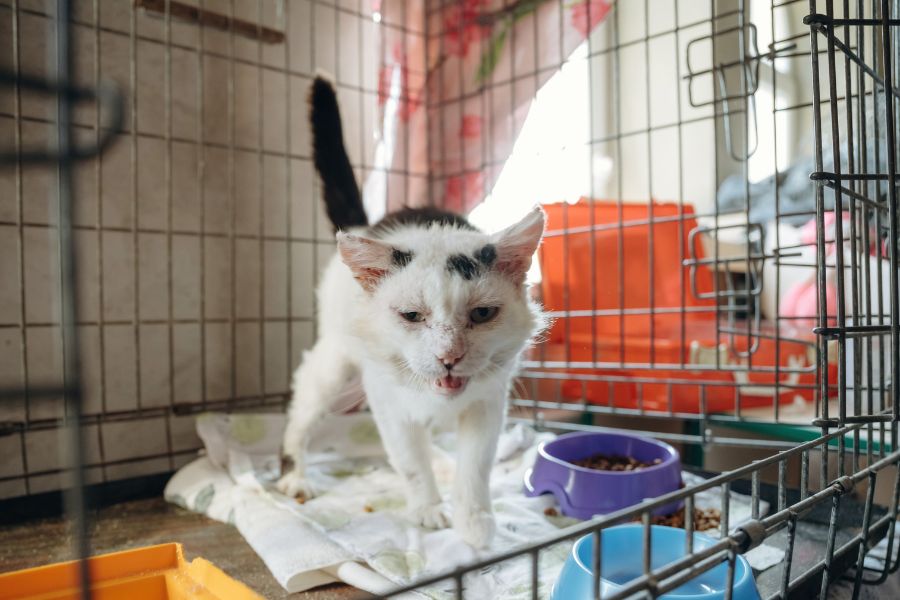
Adopting a rescue cat is an exciting and rewarding experience, but the first few weeks can be confusing for both you and your new pet. Many cats feel stressed when entering a new home, which is why understanding the 333 rule for cats is so important.
The 333 rule for cats explains the typical new cat adjustment period and helps pet owners understand what to expect during the first three days, three weeks, and three months after adoption. In this guide, you will learn how the rescue cat adjustment period works, what behaviors are normal, and how to help your rescue cat settle in comfortably.
What Is the 333 Rule for Cats?
The 333 rule for cats is a simple guideline suggested by veterinarians, shelters, and animal behavior experts to describe how long it typically takes a rescue cat to adapt to a new home.
It breaks the rescue cat settling-in process into three stages:
- First 3 Days: Your cat may feel overwhelmed and scared.
- First 3 Weeks: Your cat begins exploring and learning routines.
- First 3 Months: Your cat starts feeling safe and truly at home.
Every cat adjusts at their own pace, but the 333 rule for cats helps pet owners stay patient and supportive during the new cat adjustment period.
The First 3 Days: Overwhelmed and Observing
The first stage of the rescue cat adjustment period often involves anxiety and cautious behavior. Your new cat has just experienced a major life change, moving from a shelter or previous home to a completely unfamiliar environment.
Common behaviors during the first three days include:
- Hiding under furniture or in closets
- Avoiding eye contact or human interaction
- Refusing food temporarily
- Limited movement around the home
- Quiet or timid behavior
These responses are normal during the new cat adjustment period. Your cat is simply trying to process the new environment.
How to Help During the First 3 Days
To support your cat during this stage:
- Provide a quiet, private space such as a spare room
- Keep food, water, and litter box easily accessible
- Avoid forcing interaction
- Speak softly and move slowly
- Allow your cat to come to you
Patience during this early phase is essential for a successful rescue cat settling-in process.
The First 3 Weeks: Curiosity and Routine
By the second phase of the 333 rule for cats, your pet will slowly start becoming more comfortable. This stage marks the beginning of exploration and social development.
Typical behaviors during this stage include:
- Exploring rooms and furniture
- Becoming more interested in toys
- Establishing feeding routines
- Using the litter box regularly
- Showing early signs of affection
However, some cats may also test boundaries. You might notice scratching furniture or nighttime activity.
Tips to Support Your Cat in This Stage
To help your rescue cat continue adjusting:
- Maintain consistent feeding times
- Provide scratching posts
- Introduce toys for stimulation
- Begin gentle play sessions
- Slowly introduce other pets if necessary
A predictable routine is one of the best ways to support a smooth new cat adjustment period.
The First 3 Months: Feeling at Home
By the three-month mark, many cats have completed the most important part of the rescue cat adjustment period. This is when their true personality begins to appear.
You may notice your cat:
- Seeking attention or cuddles
- Sleeping comfortably around the house
- Greeting you at the door
- Showing playful or mischievous behavior
- Displaying increased confidence
At this stage, your cat finally feels safe in their new territory. The 333 rule for cats helps explain why patience during the first few weeks pays off later with a strong bond.
Why the 333 Rule for Cats Works
The 333 rule for cats reflects how cats naturally respond to stress and environmental change. Unlike dogs, cats rely heavily on territory for security. When their surroundings change, they need time to rebuild that sense of safety.
Several factors influence the rescue cat adjustment period, including:
- Previous living conditions
- Age and personality
- Shelter experience
- Past trauma or neglect
- Presence of other pets
Understanding these factors helps pet owners remain patient during the new cat adjustment period.
Signs Your Rescue Cat Is Adjusting Well
As your cat progresses through the 333 rule for cats, you may start seeing encouraging signs of comfort and trust.
Positive adjustment signs include:
- Eating and drinking normally
- Grooming regularly
- Using the litter box consistently
- Playing with toys
- Seeking human interaction
These behaviors show your rescue cat is successfully settling in.
Common Mistakes During the New Cat Adjustment Period
Even well-meaning pet owners can accidentally slow down the process of the rescue cat settling in.
Avoid these common mistakes:
1. Introducing the Entire House Too Quickly
Large spaces can feel overwhelming. Start with one room and gradually expand your cat’s territory.
2. Forcing Interaction
Let your cat approach you first. Forced handling may increase fear.
3. Changing Food Immediately
Sudden diet changes may cause stomach upset. Gradually transition to new food if necessary.
4. Loud Environments
Limit loud music, guests, or chaotic activity during the first few weeks.
5. Skipping Veterinary Care
Newly adopted cats should receive a full health check to ensure a smooth rescue cat adjustment period.
How to Make a Rescue Cat Feel Safe Faster
While every cat follows their own timeline, these strategies can help speed up the new cat adjustment period.
Create Safe Hiding Spaces
Cats feel secure when they have places to retreat. Cat trees, boxes, or covered beds can help.
Use Familiar Scents
Items from the shelter or previous home may comfort your cat.
Establish Daily Routines
Feeding, playtime, and sleep schedules help cats predict what happens next.
Provide Interactive Play
Toys such as feather wands or laser pointers help reduce stress and build trust.
Offer Gentle Affection
Let your cat initiate physical contact and gradually increase interaction.
These steps can make the 333 rule for cats smoother and more positive for both pets and owners.
Conclusion
The 333 rule for cats provides a helpful framework for understanding the rescue cat adjustment period. During the first three days, cats often feel scared and withdrawn. Over the next three weeks, they will begin exploring and learning routines. By three months, most cats feel comfortable and fully settled in their new home.
Patience, consistency, and compassion are the keys to helping your rescue cat feel safe. If you have recently adopted a cat and want professional guidance on their health and behavior, the veterinary team at Riverbank Animal Hospital is here to help. Schedule a wellness visit to ensure your new companion starts their life in your home healthy and happy.
FAQs
Q1: What is the 333 rule for cats?
Ans: The 333 rule for cats describes the typical timeline for a rescue cat adjusting to a new home: three days to decompress, three weeks to learn routines, and three months to fully settle in.
Q2: How long does it take for a rescue cat to adjust to a new home?
Ans: Most cats adjust within three weeks to three months, depending on their personality, past experiences, and environment.
Q3: Is it normal for a new rescue cat to hide?
Ans: Yes, hiding is a common behavior during the new cat adjustment period. It helps cats feel safe while they observe their new surroundings.
Q4: How can I help my rescue cat settle in faster?
Ans: Provide a quiet room, maintain consistent routines, offer safe hiding spaces, and allow your cat to approach you at their own pace.
Q5: When should I take a newly adopted cat to the vet?
Ans: It is recommended to schedule a veterinary checkup within the first week after adoption to confirm your cat’s health and address any concerns.