
If you’ve noticed your cat looking a bit rounder after surgery, you’re not alone. Many pet owners worry about their female cat after spaying, especially regarding weight gain. In this guide, we’ll explain why spayed cat weight gain happens, what’s normal, and how to keep your cat healthy long-term. You’ll also learn practical tips for proper post-surgical care and preventing unwanted weight gain.
What Happens to a Female Cat After Spaying?
Spaying is a routine surgical procedure where a female cat’s ovaries (and usually uterus) are removed. While it has major health and behavioral benefits, it also causes hormonal changes.
After surgery, your cat experiences:
- A drop in estrogen levels
- Reduced metabolism
- Changes in appetite and energy levels
These changes directly affect how your cat’s body stores fat. So if your female cat after spaying seems calmer or less active, that’s completely normal.
Why Do Spayed Cats Gain Weight?
One of the most common concerns cat owners have is a spayed cat getting bigger. Let’s break down the main reasons.
1. Slower Metabolism
After spaying, your cat’s metabolic rate decreases by about 20–30%. This means your cat needs fewer calories than before.
If you continue feeding the same portions, weight gain becomes very likely.
2. Increased Appetite
Hormonal shifts can make your cat feel hungrier. Many owners notice their cat begging for food more often.
This combination of eating more while burning fewer calories leads to spayed cat weight gain.
3. Reduced Activity
Spayed cats are often more relaxed and less driven to roam or hunt. While this makes them safer indoors, it also reduces daily calorie burn.
4. Age and Lifestyle Factors
If your cat was spayed as an adult, natural aging may also contribute to weight gain. Indoor cats are especially prone due to limited exercise.
Is It Normal for a Cat to Get Bigger After Spaying?
Yes, but there’s an important distinction.
- Normal: Slight weight gain (1–2 pounds depending on size)
- Not Normal: Rapid or excessive weight gain leading to obesity
A mild increase in body size is expected due to hormonal adjustments. However, obesity can lead to serious health issues such as:
- Diabetes
- Joint problems
- Heart disease
- Reduced lifespan
Monitoring your cat’s weight after surgery is a key part of responsible post-surgical care.
How Soon Does Weight Gain Happen After Spaying?
Weight changes don’t happen overnight. Most cats begin to show signs of weight gain within:
- 2–3 months post-surgery
- Noticeable increase over 6–12 months
This gradual change often goes unnoticed until your cat is visibly heavier. That’s why early prevention is crucial.
How to Prevent Spayed Cat Weight Gain
The good news is that spayed cat weight gain is manageable with a few simple adjustments.
1. Adjust Food Portions Immediately
Right after surgery, reduce your cat’s calorie intake by about 20%.
Tips:
- Follow feeding guidelines for spayed or indoor cats
- Measure meals instead of free-feeding
- Avoid overfeeding treats
2. Switch to a Weight-Control Diet
Consider food specifically formulated for spayed cats. These diets:
- Have fewer calories
- Provide balanced nutrition
- Help maintain muscle mass
Ask your vet which option suits your cat best.
3. Encourage Daily Activity
Even indoor cats need exercise. Try:
- Interactive toys (feather wands, laser pointers)
- Puzzle feeders
- Climbing trees or shelves
Aim for at least 15–20 minutes of playtime daily.
4. Monitor Weight Regularly
Weigh your cat every few weeks or keep track during vet visits.
Look for:
- Loss of waistline
- Difficulty grooming
- Reduced mobility
Early detection helps prevent long-term problems.
Important After Surgical Care Tips
Proper after-surgical care plays a big role in your cat’s recovery and long-term health.
Immediate Post-Surgery Care:
- Keep your cat indoors and calm
- Prevent licking of the incision (use a cone if needed)
- Follow medication instructions carefully
Nutrition After Surgery:
- Offer small, easily digestible meals initially
- Gradually return to a controlled feeding schedule
- Avoid sudden diet changes
Watch for Warning Signs:
Contact your vet if you notice:
- Swelling or redness at the incision site
- Loss of appetite for more than 24 hours
- Lethargy or vomiting
At Riverbank Animal Hospital, veterinarians emphasize that pet surgical care, recovery, and weight management go hand in hand.
How Much Weight Gain Is Too Much?
A healthy cat should maintain a defined shape.
Use this quick body condition guide:
- Ideal: Ribs felt easily, visible waist
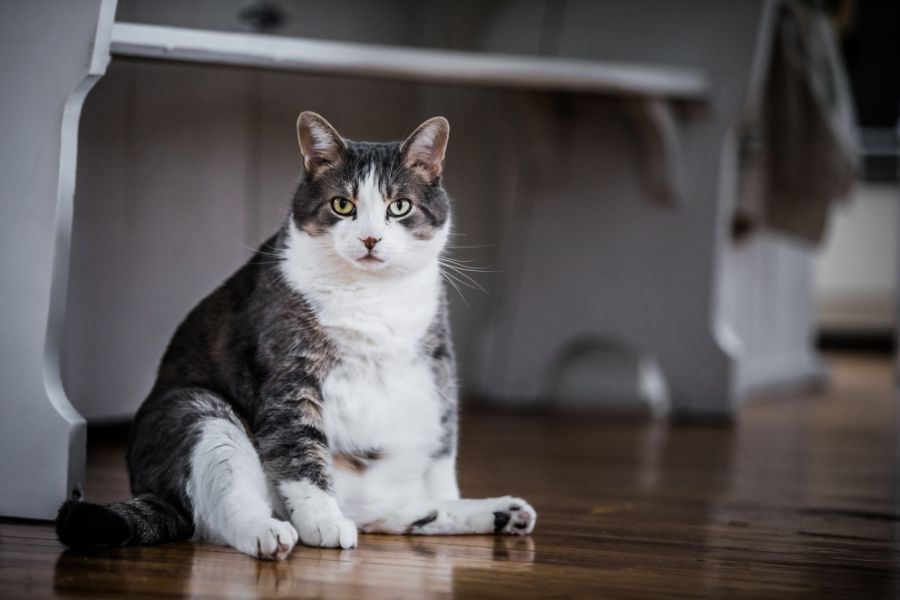
- Overweight: Ribs hard to feel, no waistline
- Obese: Round belly, difficulty moving
If your spayed cat is getting bigger and crosses into overweight territory, it’s time to act.
Common Myths About Spayed Cats and Weight Gain
Myth 1: All Spayed Cats Become Obese
Not true. Weight gain depends on diet and lifestyle—not just surgery.
Myth 2: You Should Feed More After Surgery
Actually, the opposite is true. Calorie intake should decrease.
Myth 3: Weight Gain Is Unavoidable
With proper care, your cat can stay fit and healthy for life.
When to See a Vet
If your cat is gaining weight rapidly despite controlled feeding, there could be underlying issues.
Consult your vet if you notice:
- Sudden or excessive weight gain
- Extreme lethargy
- Changes in eating habits
Professional guidance ensures your cat stays healthy after spaying.
Conclusion:
It’s completely normal for a female cat after spaying to experience slight changes in weight and behavior. However, significant spayed cat weight gain is preventable with the right approach. By adjusting diet, encouraging activity, and following proper post-surgical care, you can keep your cat healthy and active for years to come.
If you’re a cat parent in Kinston and concerned about your cat’s weight or recovery, schedule a check-up with your veterinarian at Riverbank Animal Hospital today and ensure your pet gets the expert care she deserves.
FAQs:
Q1: Do all female cats gain weight after being spayed?
Ans: No, not all cats gain weight. With proper diet control and regular activity, many spayed cats maintain a healthy weight without any noticeable changes.
Q2: How much should I feed my cat after spaying?
Ans: You should reduce your cat’s calorie intake by about 20% and follow portion guidelines recommended by your veterinarian or pet food manufacturer.
Q3: How soon can I start exercising my cat after surgery?
Ans: Light activity can resume after a few days, but full play sessions should wait until your vet confirms complete healing, usually within 10–14 days.
Q4: What type of food is best for a spayed cat?
Ans: Low-calorie, high-protein diets formulated for spayed or indoor cats are ideal to prevent weight gain while maintaining muscle and overall health.
Q5: Is weight gain after spaying harmful to cats?
Ans: Mild weight gain is normal, but excessive weight can lead to health issues like diabetes and joint problems, so monitoring and prevention are essential.