
Deciding to spay or neuter your pet is a responsible and caring choice that benefits not only your furry friend but also the wider community. While these surgeries are familiar and routine, many pet owners feel a mix of excitement and nervousness as the appointment day approaches. Understanding what to expect before the surgery can help you feel confident and prepared, making the experience smoother for both you and your pet.
Why Spaying or Neutering Matters
Spaying (for females) and neutering (for males) are surgical procedures that prevent unwanted litters and can improve your pet’s health and behavior. Beyond controlling the pet population, these procedures also reduce the risk of certain cancers, infections, and behavioral issues, such as marking or roaming.
Preparing for Surgery: What to Do Before the Big Day
Before the surgery, your veterinarian will typically advise you on a few important steps:
- Fasting: Most pets need to fast for about 8 to 12 hours before anesthesia. This means no food after midnight if the surgery is scheduled for the morning. Water may be allowed until a few hours before surgery, but follow your vet’s instructions carefully.
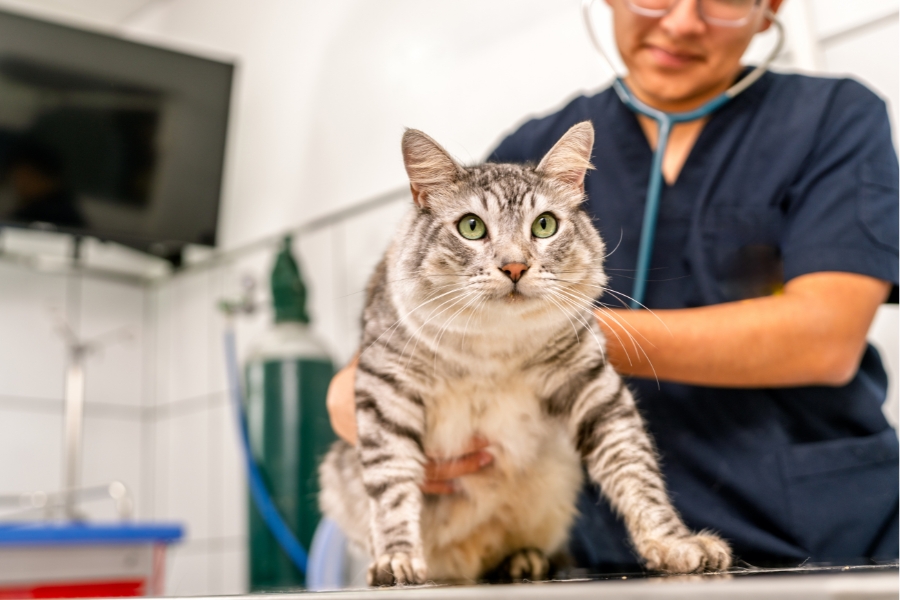
- Health Check: A thorough examination ensures your pet is healthy enough for anesthesia and surgery. Sometimes blood work is recommended, especially for older pets, to check organ function.
- Ask Questions: Don’t hesitate to ask your vet any questions about the procedure, anesthesia, or aftercare. Knowing what to expect helps reduce your anxiety and helps you prepare better.
- Comfort and Calm: On the day of surgery, keep your pet calm and comfortable. Avoid vigorous exercise or stressful situations.
What Happens During the Surgery?
The procedure itself is usually quick—most spay and neuter surgeries take less than an hour. Here’s a basic overview:
- Your pet will be gently anesthetized to ensure they feel no pain during surgery.
- For spaying, the vet removes the ovaries and usually the uterus. For neutering, the testicles are removed.
- After surgery, your pet is closely monitored while waking up from anesthesia.
Veterinary teams use sterile techniques and take every precaution to keep your pet safe and comfortable throughout the process.
Bringing Your Pet Home: The Immediate Aftercare
Once home, your pet will likely be groggy and tired. It’s important to create a quiet, cozy space where they can rest undisturbed.
- Limit Activity: Prevent jumping, running, or playing for at least 7 to 10 days to allow the incision to heal.
- Monitor the Incision: Check the surgical site daily for swelling, redness, or discharge. Mild swelling is normal, but anything unusual should be reported to your vet.
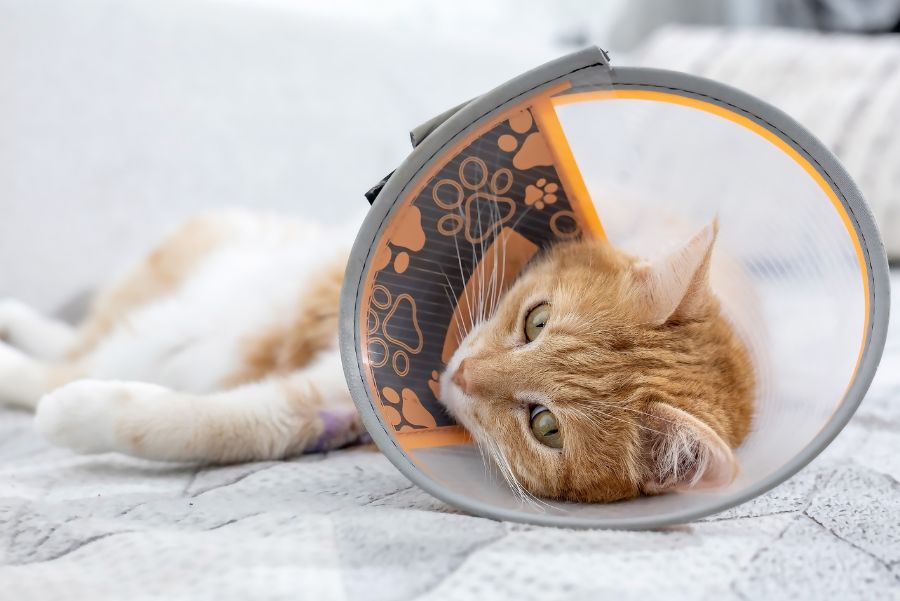
- Prevent Licking: Pets often want to lick their stitches, which can cause infection. Your vet may provide a protective collar or other devices to prevent this.
- Follow Medication Instructions: If pain medication or antibiotics are prescribed, give them exactly as directed.
What to Watch For After Surgery
Although complications are rare, watch for signs such as:
- Persistent vomiting or diarrhea
- Excessive lethargy or weakness
- Loss of appetite beyond a day or two
- Signs of pain such as whining, panting, or restlessness
- Swelling, bleeding, or foul-smelling discharge from the incision
If any of these occur, contact your veterinarian promptly.
When to Schedule the Surgery
Most vets recommend spaying or neutering pets between 4 to 6 months of age, though adult pets can also safely undergo the procedure. Your vet will help determine the best timing based on your pet’s breed, health, and lifestyle.
A Final Word for Pet Owners
Choosing to spay or neuter your pet is a crucial step in ensuring their long-term health and happiness. By preparing thoughtfully for the surgery day, following your veterinarian’s guidance, and providing attentive aftercare, you’ll help your pet recover quickly and comfortably. Remember, the surgery is just one part of a lifelong commitment to your pet’s well-being—and with the proper support, it can be a smooth, stress-free experience for both of you. If you have any concerns or questions before or after the procedure, don’t hesitate to reach out to your veterinary team—they’re there to help every step of the way.