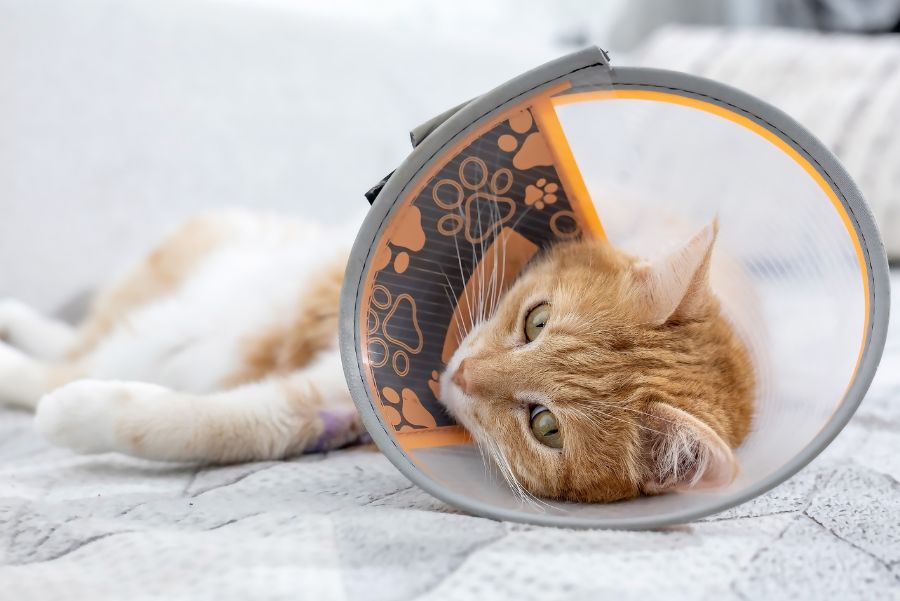

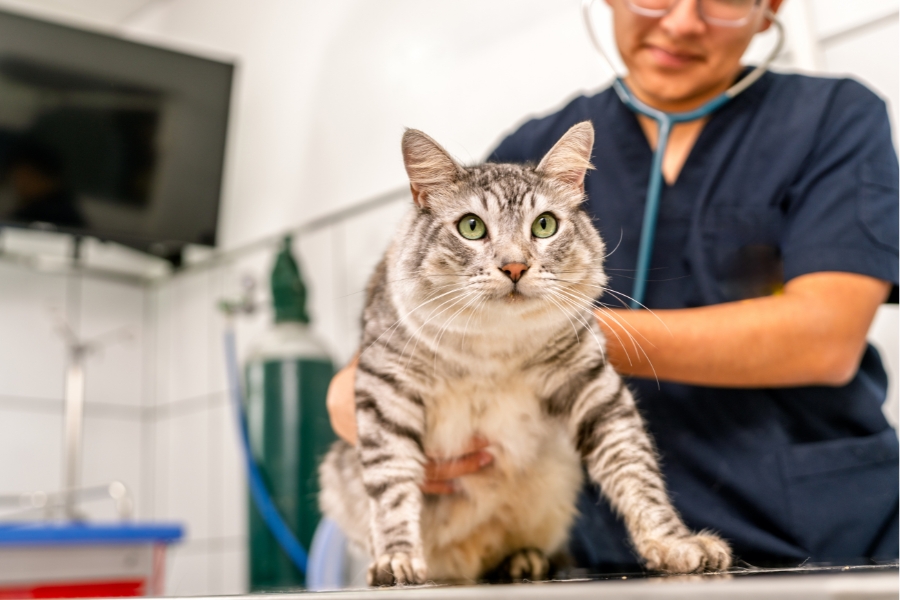
Spaying is one of the most beneficial health decisions for female cats, but it often comes with noticeable behavior changes. Many pet owners are surprised when their cat acts differently after the procedure. In this guide, we explain the most common behavior changes in cats after spaying, why they happen, and how you can help your cat adjust comfortably.
Why Does Female Cats’ Behavior Change After Spaying?
Spaying involves removing a female cat’s ovaries and uterus, which significantly reduces hormone production. Hormones like estrogen play a major role in regulating mood, energy levels, and reproductive behaviors.
After surgery, the body gradually adjusts to these hormonal changes. This adjustment period can lead to temporary or permanent female cat behavior changes. In most cases, these changes are positive and improve the overall quality of life.
Key factors influencing behavior include:
- Reduced reproductive hormones
- Recovery from anesthesia and surgery
- Decreased stress related to mating instincts
Understanding these causes helps pet owners recognize what is normal and when to seek veterinary advice.
Top 5 Common Behavior Changes in Female Cats After Being Spayed
1. Reduced Aggression and Calmer Temperament
One of the most noticeable spayed female cat behavior changes is a calmer demeanor. Female cats that were previously irritable or aggressive may become more relaxed after spaying.
This happens because hormonal fluctuations associated with heat cycles are eliminated. Without these hormonal surges, cats often feel less anxious and territorial.
Benefits of this change include:
- Less hissing or swatting
- Improved interactions with other pets
- Easier handling during grooming or vet visits
This calmer behavior typically develops within a few weeks after surgery.
2. Decrease in Vocalization and Yowling
Before spaying, female cats in heat are known for loud, persistent vocalization. These sounds are mating calls designed to attract male cats.
After spaying, this behavior usually stops entirely. Many owners notice immediate relief from nighttime yowling and restlessness.
This is one of the most predictable behavior changes in cats after spaying, and it greatly improves the home environment. If vocalization continues beyond recovery, it may indicate stress or another underlying issue.
3. Reduced Roaming and Escape Attempts
Unspayed female cats often try to escape outdoors during heat cycles. Their instinct to find a mate drives roaming behavior, even in indoor cats.
Once spayed, this instinct fades. Most cats become more content staying indoors and show less interest in doors or windows.
Positive outcomes include:
- Lower risk of injury or getting lost
- Reduced exposure to diseases
- Increased safety for indoor cats
This change contributes to a longer and healthier life.
4. Increased Appetite and Potential Weight Gain
Another common female cat behavior change after spaying is an increase in appetite. Hormonal shifts can slow metabolism, making cats feel hungrier even when they need fewer calories.
If food intake is not adjusted, weight gain may occur over time. This is not caused by spaying alone but by a mismatch between calorie intake and energy needs.
To manage this change:
- Measure meals instead of free-feeding
- Choose a diet formulated for spayed cats
- Encourage play and daily activity
With proper nutrition and exercise, most cats maintain a healthy weight.
5. Changes in Energy Levels and Activity
Some cats become slightly less active after spaying, while others show little change. Reduced hormone levels can lower overall energy, especially in adult cats.
This does not mean your cat is unhealthy or unhappy. Instead, energy becomes more balanced and predictable without heat cycles.
Owners may notice:
- More regular sleep patterns
- Less pacing or restlessness
- Increased interest in quiet bonding time
Interactive toys and short play sessions can help keep your cat mentally and physically engaged.
How Long Do Behavior Changes Last After Spaying?
Most behavior changes in cats after spaying begin within the first few weeks. Full hormonal adjustment may take up to three months.
Temporary behaviors like lethargy or mild appetite changes often resolve quickly. Long-term changes, such as reduced aggression and vocalization, are usually permanent and beneficial.
If unusual behaviors persist beyond recovery, a veterinary exam is recommended to rule out pain, infection, or unrelated health concerns.
How to Help Your Cat Adjust After Spaying
Supporting your cat during recovery makes the transition smoother. Creating a calm, predictable environment helps reduce stress.
Helpful tips include:
- Provide a quiet recovery space
- Limit jumping and rough play initially
- Maintain a consistent feeding schedule
- Monitor incision healing daily
Positive reinforcement and patience go a long way during this adjustment period.
Conclusion
Spaying leads to many positive behavioral changes in spayed female cat behavior, including reduced aggression, less vocalization, and safer indoor habits. Understanding these changes helps pet owners feel confident and prepared. If you have concerns or need guidance, the team at Riverbank Animal Hospital, a trusted animal hospital in Kinston, NC, is here to help. Contact us today to support your cat’s long-term health.
FAQs
Q1: Are behavior changes in cats after spaying permanent?
Yes, most changes, such as reduced heat-related behaviors, are permanent, while recovery-related changes are temporary.
Q2: How soon will my female cat calm down after being spayed?
Many cats show calmer behavior within two to four weeks as hormone levels stabilize.
Q3: Is increased appetite normal after spaying a female cat?
Yes, increased appetite is common, but portion control and proper diet help prevent weight gain.
Q4: Can spaying change my cat’s personality?
Spaying does not change a cat’s core personality, but it often reduces stress-driven behaviors.
Q5: When should I contact a vet after spaying?
Contact your veterinarian if you notice ongoing lethargy, loss of appetite, swelling, or unusual behavior beyond the normal recovery period.