

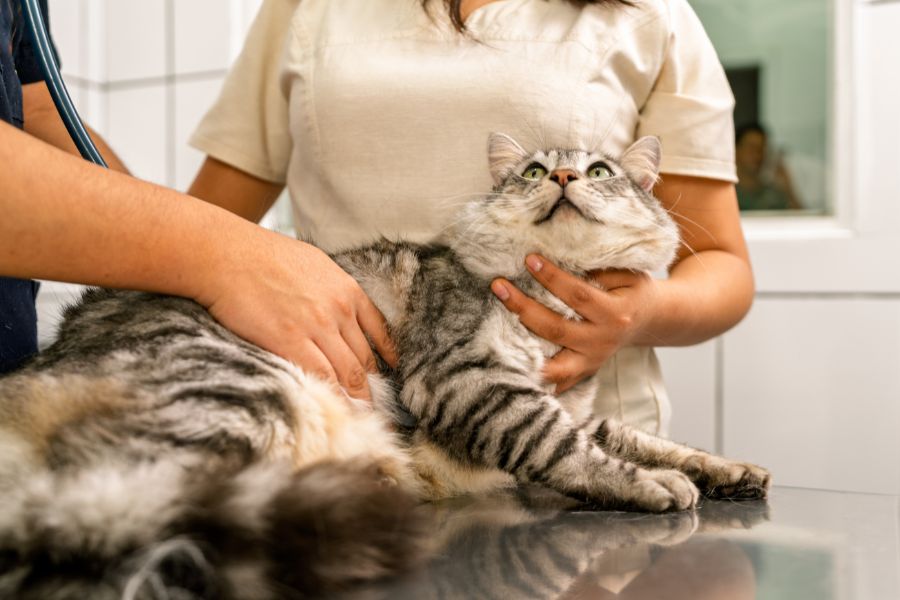
If you have a new puppy or kitten, one of the first health decisions you will face is whether and when to spay or neuter. It is one of the most common questions pet owners bring to us, and the answers matter more than most people realize. Spay-neuter surgery recovery goes smoothly for the vast majority of pets when owners know what to prepare for in advance. This guide will walk you through the key differences between the two procedures, the best timing for your pet’s breed and size, what happens on surgery day, and how to care for your pet at home during healing. Whether you have a dog, cat, or rabbit, understanding this process will help you feel confident every step of the way.
What Is the Difference Between Spaying and Neutering?
Spaying and neutering are both surgical sterilization procedures, but they differ based on your pet’s sex. Spaying refers to the removal of the ovaries and uterus in female pets. Neutering, also called castration, removes the testicles in male pets.
Both procedures are performed under general anesthesia by a veterinarian. They are considered routine surgeries in veterinary medicine, but that does not mean they are minor. Each procedure requires pre-surgical bloodwork, careful anesthesia monitoring, and a proper post-operative plan.
Beyond preventing unwanted litters, spaying and neutering offer real health benefits. Spaying a female dog or cat before her first heat cycle significantly reduces the risk of mammary tumors and eliminates the risk of uterine infections, known as pyometra. Neutering male pets reduces the risk of testicular cancer and lowers the likelihood of prostate problems later in life.
When to Spay or Neuter Your Pet
Knowing when to spay a dog or cat is where most pet owners feel unsure. The answer depends on your pet’s species, breed, and size, and recommendations have evolved over the past several years.
For cats, most veterinarians recommend spaying or neutering around five to six months of age. Cats can become pregnant as early as four months old, so earlier timing is especially important if your cat goes outdoors or lives with intact cats.
For dogs, timing is more nuanced. Small and medium breeds are typically ready between six and nine months. For large and giant breeds, many veterinary specialists now recommend waiting until 12 to 18 months. This is because sex hormones play a role in bone and joint development in bigger dogs. Knowing when to spay a dog of a larger breed is a conversation worth having with your vet at a wellness visit rather than assuming a one-size-fits-all timeline.
In our experience, pet owners who discuss timing early during the puppy or kitten visit are far better prepared and far less anxious when surgery day comes.
What to Expect on Surgery Day
Understanding neuter surgery, what to expect, or what to expect from a spay, helps reduce anxiety for pet owners. Here is a step-by-step look at how the day typically unfolds:
- Your pet will need to fast the night before surgery, usually no food after midnight. Water restrictions depend on your vet’s specific protocol.
- You will bring your pet in during the morning drop-off window. A technician will review your pet’s health history and confirm the procedure.
- Pre-anesthetic bloodwork is run to ensure your pet is safe for anesthesia.
- Your pet receives a sedative to reduce anxiety, followed by anesthesia.
- The surgeon performs the procedure in a sterile environment with continuous monitoring.
- Your pet recovers in a supervised area until they are alert and stable.
- You will pick up your pet later that day with discharge instructions.
Pet owners often tell us that the hardest part is dropping their pet off. Most pets go home the same day and are resting comfortably within a few hours of returning home.
Spay Neuter Healing Time: What the First Two Weeks Look Like
Spay-neuter healing time varies slightly between males and females. Male dogs and cats typically recover faster because the neuter procedure is less invasive. Female pets recovering from a spay need a full 10 to 14 days for the internal incision to heal properly.
During the first 48 hours, your pet may be groggy, have a reduced appetite, or seem quieter than usual. This is completely normal. The anesthesia takes time to clear the system fully.
Here is what to watch during the recovery window:
- Redness, swelling, or discharge at the incision site could indicate infection
- Excessive licking or chewing at the wound can reopen the incision
- Lethargy beyond the first 48 hours warrants a call to your vet
- Vomiting more than once after surgery should be evaluated promptly
- Loss of appetite lasting more than two days is not typical and deserves attention
We frequently remind our clients that the e-collar, or cone of shame as most people call it, is non-negotiable. It is the single most effective way to prevent your pet from disturbing the incision. Skipping it to spare your pet the discomfort often leads to complications that require a second visit.
According to the American Veterinary Medical Association, most routine spay and neuter procedures carry a very low complication rate when performed by a licensed vet and followed up with proper home care instructions.
Understanding Pet Spay Neuter Cost and What It Covers
Pet spay neuter cost is one of the most searched topics related to these procedures, and it is a fair concern. Prices vary based on your pet’s species, size, and the clinic’s location and services included.
In general, spaying procedures cost more than neutering because they involve abdominal surgery. A spay for a large dog will typically cost more than a spay for a small cat. Most clinics include pre-surgical exam fees, anesthesia, monitoring, pain medication, and the e-collar in the base cost.
Many pet owners are surprised to find that the investment is well worth it when weighed against the long-term health savings. Treating pyometra, for example, is a costly emergency surgery that can run several times the cost of a routine spay. Pet spay neuter cost is best thought of as preventive care, not an expense.
One common misconception we hear is that free or low-cost spay/neuter clinics provide lower quality care. In reality, many of these programs are staffed by trained veterinarians and technicians who perform these surgeries safely every day. The important thing is that the clinic follows proper sterilization protocols and provides clear post-operative instructions.
Conclusion
Deciding to spay or neuter your pet is one of the most impactful health choices you will make as a pet owner. When you understand spay-neuter surgery recovery, the right timing for your breed, and what to expect at home, the whole process becomes far less intimidating. Most pets bounce back quickly and return to their normal selves within two weeks with the right care and rest. If you have questions about your pet’s specific situation or want to schedule a pre-surgical consultation, the vet team at Riverbank Animal Hospital is here to help. We work with pet owners in Kinston and the surrounding communities to make this process as smooth and stress-free as possible. Book an appointment today.
Frequently Asked Questions
How long does a spay or neuter surgery take?
Ans: Most spay and neuter surgeries take between 20 and 90 minutes, depending on the species, size, and sex of your pet. Female spays generally take longer than male neuters because the surgery involves the abdominal cavity. Your vet will give you a more specific estimate based on your pet’s health profile.
Can I spay or neuter my pet if they are older?
Ans: Yes, adult pets can be safely spayed or neutered. Your vet will likely recommend pre-anesthetic bloodwork to assess organ function in older animals. The recovery timeline may be slightly longer for senior pets, but most healthy adults tolerate the procedure well.
What should I feed my pet after surgery?
Ans: Offer a small, light meal the evening your pet comes home. A full meal too soon after anesthesia can cause nausea or vomiting. By the next morning, most pets can return to their regular feeding schedule. Follow your vet’s specific post-operative feeding guidance.
Do I need to limit my pet’s activity after the surgery?
Ans: Yes. Activity restriction is one of the most important parts of recovery. No running, jumping, or rough play for 10 to 14 days. Keep dogs on a leash for bathroom breaks and prevent cats from climbing during the healing period. Physical activity too soon can reopen the incision.
Will spaying or neutering change my pet’s personality?
Ans: The procedure may reduce hormonally driven behaviors like roaming, marking, and aggression in males, and eliminate heat cycles in females. It will not change your pet’s core personality or their bond with you. Most pet owners report no noticeable behavioral change beyond a calmer, more settled demeanor.