

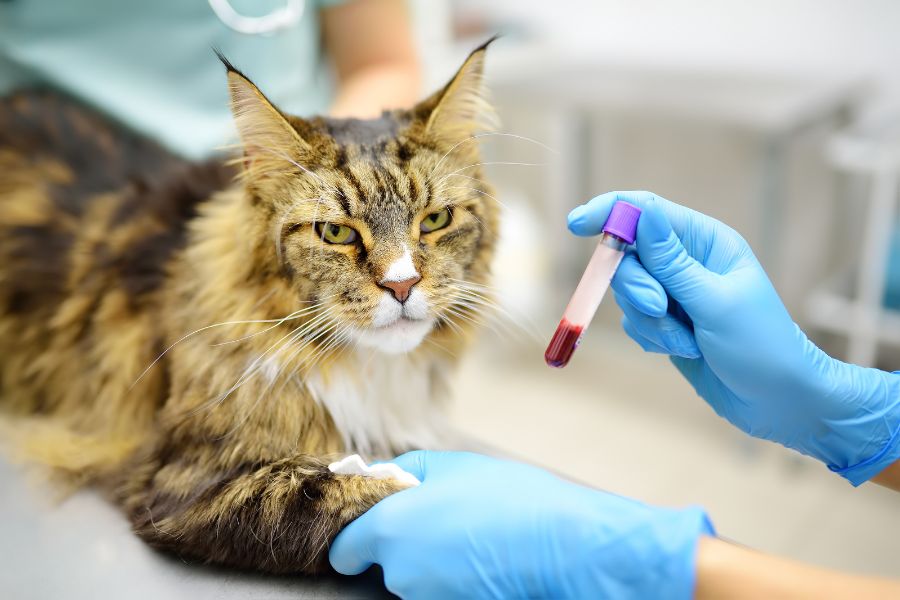
As cats age, subtle health changes can happen long before visible symptoms appear. Senior cat bloodwork is one of the most reliable ways to catch problems early and support a longer, healthier life for your cat. In this guide, we’ll walk through seven essential things every cat owner should know about bloodwork for senior cats, including what it tests for, how often it’s needed, and why it’s especially important for cats in their golden years.
Why Senior Cat Bloodwork Is So Important
Cats are experts at hiding illness, especially as they get older. By the time symptoms show up, a condition may already be advanced. Routine bloodwork gives veterinarians a look inside your cat’s body before outward signs appear.
For senior cats typically age 7 and older, bloodwork becomes a key part of preventive care. It helps monitor organ function, detect chronic disease early, and guide treatment decisions that can improve quality of life.
1. Senior Cat Bloodwork Can Detect Problems Before Symptoms Appear
One of the biggest benefits of senior cat bloodwork is early detection. Many common age-related conditions don’t cause obvious signs at first.
Blood tests can help identify:
- Kidney disease before increased thirst or weight loss starts
- Diabetes before noticeable changes in appetite
- Liver issues before jaundice or vomiting
- Thyroid problems before behavior changes
Catching these conditions early often means simpler treatment, better outcomes, and less stress for your cat.
2. Kidney Health Is a Major Focus in Older Cats
Kidney disease is one of the most common health issues in senior cats. Bloodwork plays a critical role in monitoring kidney function over time.
Typical kidney-related values checked include:
- BUN (blood urea nitrogen)
- Creatinine
- SDMA (an early kidney marker)
Even small changes in these numbers can signal early kidney decline. When identified early, dietary changes and supportive care can significantly slow progression.
3. Bloodwork Helps Track Changes Over Time, Not Just One Visit
A single blood test provides helpful information, but trends over time are even more valuable. That’s why routine senior cat bloodwork is recommended annually or every six months for cats with existing conditions.
By comparing results year to year, your veterinarian can:
- Spot gradual changes that may not be obvious
- Adjust care plans proactively
- Distinguish normal aging from disease
4. Thyroid Disease Is Common and Easily Missed Without Blood Tests
Hyperthyroidism is a frequent diagnosis in senior cats. It can cause weight loss, increased appetite, vomiting, and behavior changes, but early signs are often subtle.
Bloodwork checks thyroid hormone levels (T4), helping confirm:
- Whether symptoms are thyroid-related
- How advanced the condition may be
- Whether treatment is working over time
Since hyperthyroidism is very treatable when caught early, routine testing is a major advantage for aging cats.
5. Bloodwork Is Safe, Quick, and Low-Stress for Most Cats
Many cat owners worry about stress during veterinary visits, especially for older pets. The good news is that bloodwork is typically quick and safe.
What to expect:
- A small blood sample, usually from a leg or neck vein
- Minimal discomfort for most cats
- Results often available within a short time
Veterinary teams are trained to handle senior cats gently and efficiently, helping reduce anxiety during the process.
6. Normal Values Change as Cats Age
It’s important to know that “normal” blood values for a kitten or young adult cat may not be the same for a senior cat. Veterinarians interpret results in the context of age, history, and overall health.
For example:
- Mild changes may be monitored rather than treated
- Some values may remain stable for years without causing issues
- Treatment decisions are based on patterns, not just numbers
This individualized approach ensures your cat receives care that fits their specific needs, not a one-size-fits-all plan.
7. Bloodwork Guides Better Nutrition and Lifestyle Choices
Senior cat bloodwork doesn’t just diagnose disease; it also helps fine-tune daily care.
Based on results, your veterinarian may recommend:
- Prescription or senior-specific diets
- Adjustments to protein or phosphorus intake
- Supplements to support joints or organs
- Changes in hydration strategies
These small adjustments can make a big difference in comfort and longevity for older cats, especially those spending more time indoors as they age.
How Often Should Senior Cats Have Bloodwork Done?
For most senior cats:
- Once a year is recommended for healthy cats
- Every 6 months for cats with chronic conditions
Cats over age 10 often benefit from more frequent monitoring, even if they seem perfectly healthy at home.
Local Care Matters for Senior Cats
In Kinston and surrounding areas, senior cats may face unique challenges such as high humidity, seasonal temperature swings, and limited outdoor activity. Regular wellness visits combined with senior cat bloodwork help ensure these environmental factors don’t quietly impact long-term health.
Working with a trusted local veterinary team allows for personalized care that considers both medical needs and lifestyle.
Conclusion
Senior cat bloodwork is one of the most powerful tools for protecting your cat’s health as they age. It helps detect hidden problems early, monitor ongoing conditions, and guide thoughtful care decisions that support a longer, more comfortable life. If your cat is entering their senior years or already has their routine bloodwork is a smart, proactive step.
To schedule a senior wellness exam or bloodwork consultation, contact Riverbank Animal Hospital, and give your aging cat the attentive care they deserve.
FAQs
Q1: At what age is a cat considered a senior for bloodwork?
Ans: Most cats are considered seniors around age 7, and routine senior cat bloodwork is usually recommended starting then.
Q2: How long does it take to get senior cat bloodwork results?
Ans: Many results are available within 24 hours, though some specialized tests may take a bit longer.
Q3: Is senior cat bloodwork really necessary if my cat seems healthy?
Ans: Yes. Cats often hide illness, and bloodwork can reveal problems long before symptoms appear.
Q4: Does bloodwork require fasting for senior cats?
Ans: Some tests may require fasting, but your veterinarian will give clear instructions if needed.
Q5: Can bloodwork help extend my senior cat’s life?
Ans: Early detection and ongoing monitoring through bloodwork often lead to earlier treatment and better long-term outcomes.