

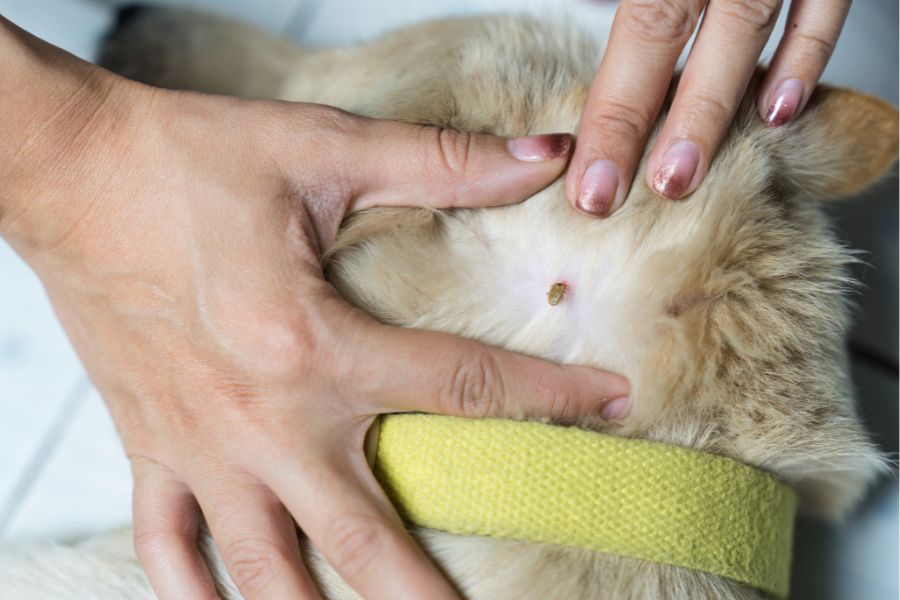
Many pet owners believe that if their dog or cat never goes outside, flea prevention isn’t necessary. But do indoor pets really need flea prevention? The short answer is yes. Even strictly indoor pets can be exposed to fleas through people, other animals, and the environment.
In this vet-approved guide, we’ll explain why flea prevention for indoor pets matters, how fleas get into your home, the risks of skipping protection, and the safest prevention options for your furry family members.
Do Indoor Pets Really Need Flea Prevention?
Yes, indoor pets absolutely need flea prevention. Fleas are persistent, fast-breeding parasites that don’t require your pet to roam outdoors to cause an infestation.
Here’s why:
- Fleas can hitch a ride on clothing, shoes, or bags.
- They can enter through small cracks, doors, and windows.
- Wildlife like squirrels or stray cats, around your home can carry fleas into your yard.
- Apartment buildings and shared spaces increase exposure risk.
In a humid climate, fleas thrive for much of the year. Skipping prevention even for a few months can lead to a full-blown infestation inside your home.
How Do Indoor Pets Get Fleas?
Many owners are surprised to learn how easy it is for fleas to enter a home.
1. Humans Bring Them Inside
Flea eggs and larvae can attach to clothing or shoes. If you walk through grass, parks, or wooded areas around, you may unknowingly carry fleas inside.
2. Other Pets
If you have multiple pets and one occasionally goes outdoors, that pet can bring fleas home to its indoor companions.
3. Wildlife and Stray Animals
Raccoons, opossums, and stray cats in neighborhoods around can leave flea eggs in yards, which may get tracked indoors.
4. Previous Infestations
Flea eggs can lie dormant in carpets and furniture for weeks. When conditions are right, they hatch and re-infest pets.
Even one flea can start a problem. A single female flea can lay up to 50 eggs per day.
Why Fleas Are a Bigger Problem Than You Think
Fleas aren’t just a nuisance; they pose real health risks.
Skin Irritation and Allergies
Many pets develop flea allergy dermatitis, an allergic reaction to flea saliva. Even one bite can cause:
- Intense itching
- Hair loss
- Red, inflamed skin
- Scabbing, especially near the tail
Tapeworms
Pets can swallow fleas while grooming, leading to tapeworm infections.
Anemia
In severe infestations, especially in kittens or small dogs, blood loss from flea bites can cause anemia.
Home Infestations
Once fleas establish themselves indoors, they spread quickly into carpets, furniture, and bedding. Eliminating them becomes time-consuming and costly.
Is Flea Prevention for Indoor Cats Really Necessary?
Yes, especially for indoor cats. Cats are meticulous groomers, which increases the risk of ingesting fleas and developing tapeworms.
Indoor cats may also:
- Sit by windows or doors where fleas can enter.
- Live in apartment buildings with shared walls.
- Be exposed during vet visits or grooming appointments.
Even if your cat never steps outside, flea prevention for indoor cats remains strongly recommended.
Is Flea Prevention Needed Year-Round?
In eastern North Carolina, flea season is long. Mild winters mean fleas can survive much of the year.
While flea activity peaks in warmer months, indoor environments provide the warmth fleas need to survive even during cooler seasons.
For this reason, most veterinarians recommend year-round flea prevention rather than seasonal treatment.
What Happens If You Skip Flea Prevention?
Stopping prevention can lead to:
- Sudden infestations
- Expensive home treatments
- Skin infections from excessive scratching
- Multiple vet visits
By the time you see fleas, the infestation is often already well established. Prevention is far easier and less costly than treatment.
Best Flea Prevention Options for Indoor Pets
Choosing the right flea prevention for indoor pets depends on your pet’s age, health, and lifestyle.
Top Options Include:
- Monthly topical treatments
- Oral chewable medications
- Flea collars with long-term protection
- Combination parasite prevention (flea + heartworm)
Veterinary-prescribed products are typically safer and more effective than over-the-counter alternatives. Some store-bought treatments may not work against local flea populations or can cause skin irritation.
Signs Your Indoor Pet May Have Fleas
Watch for these symptoms:
- Excessive scratching or licking
- Small black specks (“flea dirt”) on skin
- Red bumps or scabs
- Hair thinning near the base of the tail
- Restlessness or sudden behavior changes
If you notice any of these signs, schedule a veterinary exam promptly.
How to Protect Your Home From Fleas
In addition to flea prevention medication, follow these steps:
- Vacuum carpets and upholstery weekly
- Wash pet bedding in hot water
- Keep lawns trimmed
- Seal cracks around doors and windows
- Regularly groom your pet
These measures reduce risk but should not replace preventive medication.
When Should You Talk to a Vet?
You should consult a veterinarian if:
- Your pet shows signs of itching or hair loss
- You’ve recently adopted a pet
- You stopped flea prevention and want to restart safely
- Your pet has sensitive skin or past reactions
A personalized prevention plan ensures your pet stays protected without unnecessary risk.
Conclusion
So, do indoor pets really need flea prevention? Yes, even strictly indoor dogs and cats remain at risk. Fleas are resilient, fast-spreading parasites that can enter homes easily and cause serious health issues.
Year-round flea prevention for indoor pets is the safest and most cost-effective way to protect your furry companion and your home. At Riverbank Animal Hospital, we help pet owners in Kinston choose safe, reliable flea prevention tailored to their pet’s needs. Schedule an appointment with your local veterinary team and keep your pet comfortable, healthy, and itch-free all year long.
FAQs
Q1: Do indoor dogs really need flea prevention?
Ans: Yes. Fleas can enter homes on clothing, other pets, or through small openings, putting indoor dogs at risk year-round.
Q2: Can fleas live in a clean house?
Ans: Absolutely. Fleas do not depend on dirt — they only need a host and a warm environment to survive.
Q3: How often should indoor pets get flea prevention?
Ans: Most veterinarians recommend monthly, year-round flea prevention for consistent protection.
Q4: What is the safest flea prevention for indoor cats?
Ans: Veterinary-prescribed topical or oral preventives are generally safest and most effective for indoor cats.
Q5: Are fleas active in winter in North Carolina?
Ans: Yes. In North Carolina’s mild climate, fleas can survive much of the year, especially indoors.