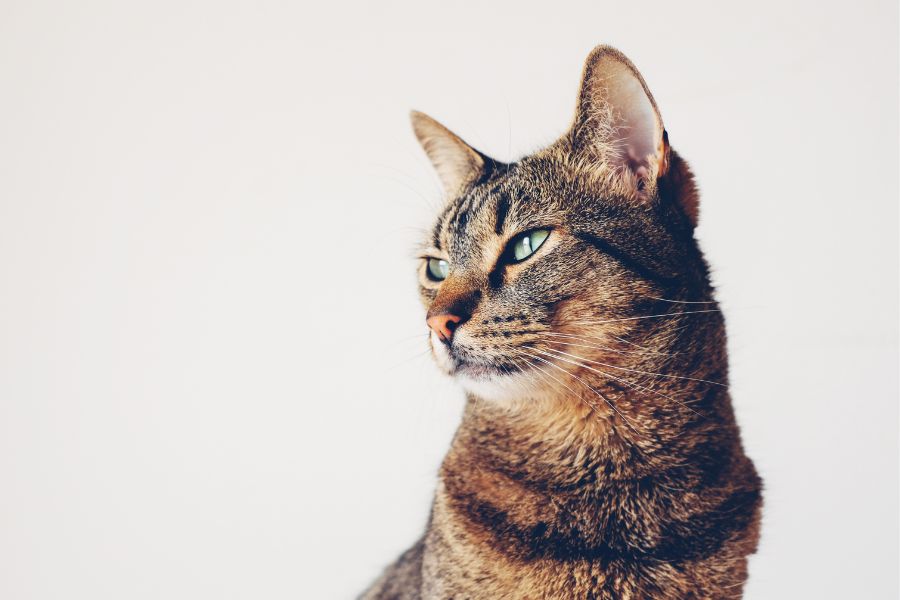

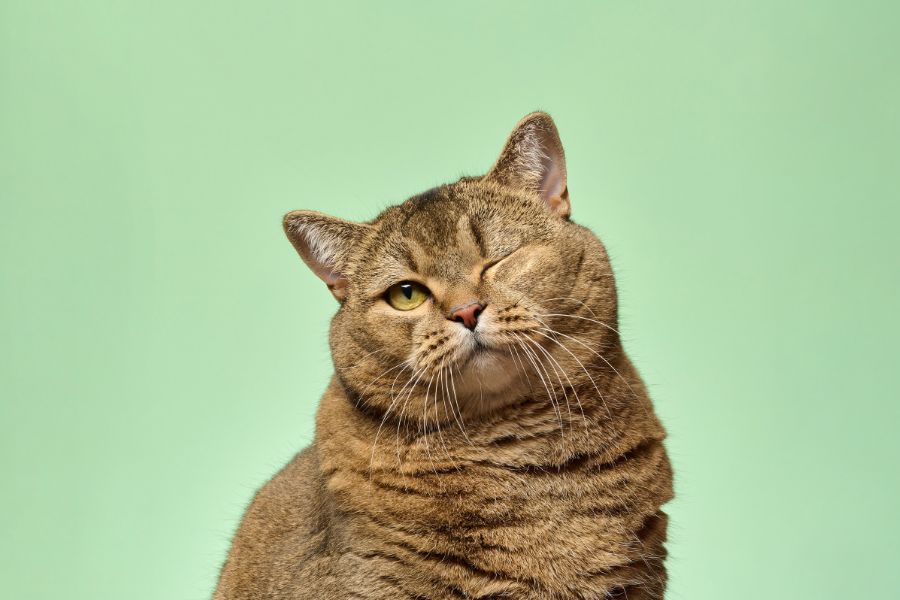
Cats are naturally private animals, so a little extra alone time isn’t unusual. But when hiding is paired with other odd behavior, it often means your cat needs urgent care rather than just some quiet time. Since cats instinctively conceal weakness, by the time a cat looks visibly ill, the issue may have been building for a while. This guide covers what hiding really means, the signs to watch, and what to expect if you bring your cat in.
Why Cats Hide When They Feel Unwell
In the wild, hiding illness protects cats from predators, and that instinct hasn’t disappeared in house cats. A cat that suddenly avoids people, retreats under furniture, or won’t come out for meals is often signaling pain or illness. Studies on feline behavior suggest that pain-related hiding is one of the most under-recognized symptoms owners report to vets. Knowing your cat’s usual hiding spots and typical alone time helps you notice when the pattern shifts into something more concerning.
Signs Cat Unwell Behavior Beyond Hiding
Hiding rarely happens in isolation when illness is the cause. Look for these accompanying signs.
- Reduced or absent appetite alongside the hiding
- Labored or rapid breathing
- Avoiding the litter box or accidents outside it
- Excessive grooming or, conversely, no grooming at all
- Vocalizing more or less than usual, including growling when approached
If you notice several signs cat unwell symptoms together, it’s a stronger signal than hiding by itself. Gently checking your cat’s usual hiding spot for signs of vomiting or litter box accidents nearby can also give you useful clues before your visit.
What Happens When Your Cat Sees the Vet
Bringing in a cat hiding acting sick can feel daunting, but the visit follows a clear structure.
- Staff ask about the hiding pattern, appetite, and any behavior changes at home.
- A gentle full-body exam checks for pain points, temperature, and dehydration.
- Bloodwork or a urinalysis may be run depending on findings.
- You get a straightforward explanation of results and a plan before leaving.
In our experience, cats that are truly unwell often go still and let the exam happen quietly, which is itself a clue something’s off. Pet owners often tell us their cat “never acts like this,” and that instinct is usually right. Bringing your cat in its favorite carrier with a familiar blanket can also help ease some of the stress of the visit itself.
Local Risk Factors in Kinston
Eastern North Carolina’s humid summers can worsen dehydration in cats that are already hiding and not drinking enough. In Kinston, we see more litter box-related visits during heat waves, when cats reduce water intake and become more prone to urinary irritation.
A common misconception is that a hiding cat just needs space and will come around on its own. While cats do need quiet time occasionally, prolonged hiding combined with appetite loss or bathroom changes is not something to wait out. A same-day vet visit is often the safer choice when hiding continues past a few hours with other symptoms present.
Why Kinston Pet Owners Trust Us
When your cat won’t come out and seems off in other ways, having a nearby option you trust matters. Riverbank Animal Hospital provides pet urgent care for cats showing hiding behavior alongside appetite loss, breathing changes, or litter box issues. Our Kinston team handles these situations regularly and can quickly determine what’s driving the change.
Call us at (252) 523-2122 when your pet needs urgent care. We reserve same-day openings specifically for cases like a suddenly withdrawn cat, so you’re not left waiting anxiously at home. Noting when the hiding started helps our team assess things faster.
Cat Acting Sick Suddenly
A cat acting sick suddenly after being fine the day before deserves quick attention, especially if hiding is new. Cats that go from social to completely withdrawn within a matter of hours are often dealing with pain, not simple mood.
We frequently remind our clients that consistency matters most. A cat who hides occasionally on a stormy day is different from one who hasn’t eaten or used the litter box in over 24 hours.
Hiding is easy to dismiss because it looks passive, but paired with other symptoms, it’s one of the clearest signals a cat is struggling. Watching for the full picture, not just the hiding itself, helps you decide when it’s time to call. If your cat needs urgent care, trust the pattern you’re seeing and reach out sooner rather than later. Book an appointment today.
Frequently Asked Questions
Q: Is hiding always a sign of illness in cats?
Ans: Not always. Occasional hiding during loud noises or new visitors is normal, but hiding paired with appetite loss or litter box changes is a warning sign.
Q: How long should I wait before taking a hiding cat to the vet?
Ans: If hiding continues past several hours and comes with other symptoms like not eating or breathing changes, don’t wait longer than that day.
Q: Can stress alone explain a cat hiding and not eating?
Ans: Stress can contribute, but a combination of hiding and appetite loss should always be evaluated rather than assumed to be behavioral.
Q: What questions will the vet ask about a hiding cat?
Ans: Expect questions about when the hiding started, appetite, litter box habits, and any recent changes in the home environment.
Q: Do older cats hide more when they’re sick compared to younger cats?
Ans: Older cats often show subtler signs and may hide more consistently, making changes in their routine especially important to notice early.