

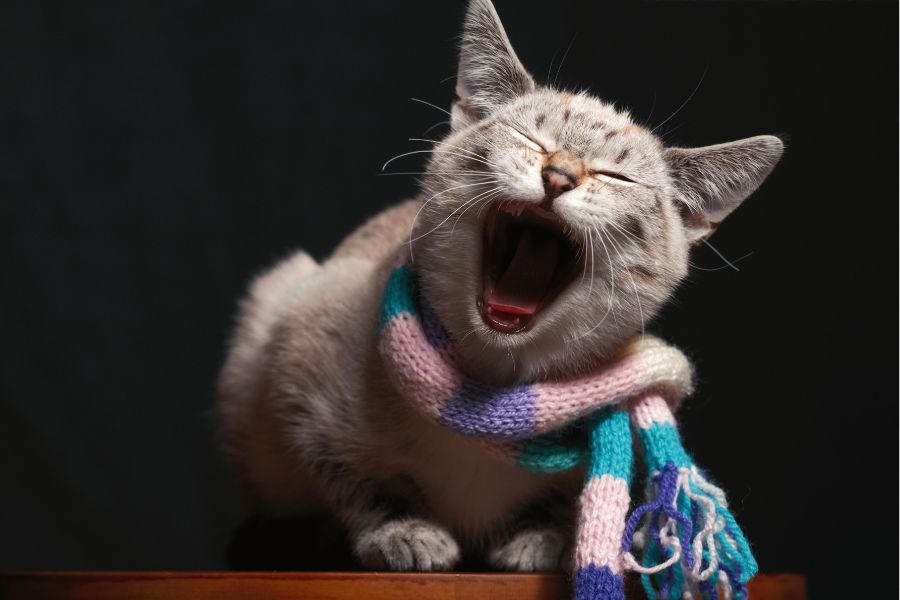
Cat’s coughing and sneezing can be alarming for pet owners, especially when it happens frequently or suddenly. While an occasional sneeze may be harmless, persistent respiratory symptoms can indicate underlying health issues that require attention. In this article, we explain why your cat may be coughing and sneezing, outline seven common causes, and help you understand when it’s time to see a veterinarian to protect your cat’s respiratory health.
Understanding Cat Coughing and Sneezing
Cats rely heavily on their respiratory system for oxygen exchange and scent detection. When something irritates or inflames the airways, symptoms such as coughing, sneezing, nasal discharge, or labored breathing may develop. Cat’s coughing and sneezing are not diseases themselves but signs that something is affecting the upper or lower respiratory tract.
Some causes are mild and temporary, while others may be chronic or contagious. Knowing the difference is essential for timely treatment and preventing complications.
1. Upper Respiratory Infections (URIs)
Upper respiratory infections are among the most common reasons cats develop coughing and sneezing, particularly in kittens, senior cats, or those from shelters.
Common causes include:
- Feline herpesvirus (FHV-1)
- Feline calicivirus
- Secondary bacterial infections
Typical symptoms:
- Frequent sneezing
- Watery or thick nasal discharge
- Eye discharge or squinting
- Mild coughing or gagging
Most URIs are contagious between cats and may worsen if untreated. Early veterinary care can help reduce symptom severity and recovery time.
2. Feline Asthma
Feline asthma is a chronic inflammatory condition of the lower airways and a significant cause of cat coughing symptoms.
Signs of asthma in cats:
- Dry, hacking cough
- Wheezing or rapid breathing
- Open-mouth breathing during flare-ups
- Coughing fits that resemble hairball attempts
Asthma attacks can become life-threatening if severe. Diagnosis typically involves imaging and response to treatment. Long-term management may include inhalers or oral medications.
3. Allergies and Environmental Irritants
Just like humans, cats can react to allergens or airborne irritants that inflame the respiratory tract.
Common triggers:
- Dust and pollen
- Cigarette smoke
- Scented candles or air fresheners
- Cleaning chemicals
- Mold spores
Allergic reactions often cause intermittent sneezing, mild coughing, and watery eyes. Identifying and removing the trigger can significantly reduce symptoms.
4. Dental Disease and Oral Infections
Dental problems are an often-overlooked cause of respiratory signs in cats.
How dental issues contribute:
- Tooth root infections can spread into the nasal passages
- Oral bacteria may cause inflammation and discharge
- Pain may lead to changes in eating or grooming
Cats with dental-related respiratory issues may show bad breath, drooling, or facial swelling alongside coughing or sneezing.
5. Foreign Objects in the Nasal Passages
Cats are curious by nature and may inhale small particles while sniffing.
Possible foreign materials include:
- Grass blades
- Seeds
- Dust particles
Symptoms usually appear suddenly and may affect only one nostril. Sneezing fits, pawing at the face, or nasal discharge can occur. Veterinary removal is often required to prevent infection.
6. Nasal Polyps or Tumors
Structural growths inside the nasal cavity can obstruct airflow and irritate tissues.
Warning signs:
- Chronic sneezing
- Noisy breathing
- Persistent nasal discharge
- Facial asymmetry
While polyps are often benign and more common in younger cats, tumors are more likely in older cats. Diagnostic imaging and biopsy may be necessary.
7. Parasites and Fungal Infections
Although less common, parasites and fungal organisms can affect a cat’s respiratory system.
Examples include:
- Lungworms
- Fungal infections
These conditions may cause chronic coughing, sneezing, lethargy, and weight loss. Specialized testing is required for accurate diagnosis, followed by targeted treatment.
When Should You Worry About Cat Coughing and Sneezing?
Occasional sneezing is normal, but persistent or worsening symptoms should not be ignored.
Seek veterinary care if your cat:
- Coughs or sneezes daily for more than a few days
- Has difficulty breathing or breathes with an open mouth
- Shows lethargy or loss of appetite
- Has thick, yellow, green, or bloody discharge
- Experiences frequent coughing fits
Early intervention often leads to better outcomes and prevents long-term respiratory damage.
How Veterinarians Diagnose Respiratory Issues in Cats
A veterinarian in Kinston will start with a thorough physical examination and medical history.
Diagnostic tools may include:
- Chest or skull X-rays
- Bloodwork
- Nasal swabs or cultures
- Allergy testing
- Dental examinations
The goal is to identify the underlying cause and tailor treatment accordingly.
Treatment Options for Cat Coughing and Sneezing
Treatment depends on the diagnosis and severity of the condition.
Common treatments include:
- Antibiotics or antivirals for infections
- Anti-inflammatory or bronchodilator medications
- Allergy management and environmental control
- Dental cleaning or surgery
- Supportive care such as humidified air
Consistent follow-up is essential, especially for chronic conditions like asthma.
Preventing Respiratory Problems in Cats
While not all causes are preventable, proactive care can reduce risk.
Preventive tips:
- Keep vaccinations up to date
- Maintain good dental hygiene
- Avoid smoking or strong fragrances indoors
- Use low-dust litter
- Schedule regular veterinary wellness exams
A clean, low-stress environment supports overall respiratory health.
Conclusion
Cat coughing and sneezing can range from minor irritations to serious medical concerns. Understanding the common causes and recognizing warning signs empowers you to act quickly and protect your cat’s well-being. If your cat shows persistent or concerning respiratory symptoms and you are near Kinston, NC, Riverbank Animal Hospital provides compassionate and thorough veterinary care focused on accurate diagnosis and long-term health solutions for your feline companion.
FAQs
Q1: Is it normal for cats to cough and sneeze occasionally?
Yes, occasional sneezing can be normal, but frequent coughing or persistent sneezing is not and should be evaluated.
Q2: What does a cat’s asthma cough sound like?
It often sounds like a dry, hacking cough and may resemble repeated attempts to pass a hairball.
Q3: Can cat coughing symptoms be caused by hairballs?
Hairballs usually cause gagging rather than true coughing, but repeated episodes should be assessed by a veterinarian.
Q4: Are upper respiratory infections in cats contagious?
Yes, many feline upper respiratory infections spread easily between cats, especially in multi-cat environments.
Q5: When should I contact a veterinarian for my cat’s respiratory issues?
If symptoms last more than a few days, worsen, or include breathing difficulty, prompt veterinary evaluation is recommended.