

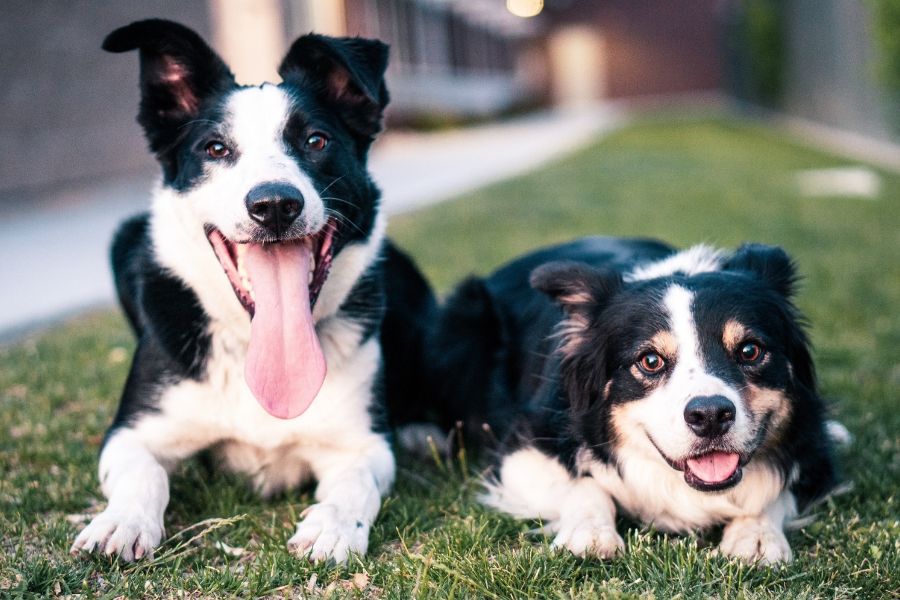
Life with two dogs in one house is equal parts chaos and joy. One dog steals a sock. The other barks at it. Within seconds, a full-scale heist unfolds across your living room floor. If you are nodding right now, you already know the deal. Two dogs do not simply coexist they negotiate, compete, play, test limits, and somehow become each other’s best friends. Most multi-dog pet parents would not trade the drama for anything. But turning a two-dog household into a genuinely happy one takes more planning than most people expect. This guide walks you through what actually works, what to watch out for, and how to keep the peace without losing your mind.
What Really Happens When You Bring a Second Dog Home
Adding a second dog changes the entire social structure of your home. Your first dog has had your full attention, your routines, and your space entirely to themselves. Suddenly, a stranger arrives and starts eating from a bowl two feet away.
Research consistently shows that dogs are social animals, but that does not mean every dog automatically welcomes a new companion. In fact, an estimated 60 to 70 percent of multi-dog households experience some degree of tension during the first introduction period. That tension does not mean you made the wrong choice. It means the dogs are doing what dogs do: figuring out who gets what and when.
The most common mistake pet owners make is expecting the dogs to sort it out on their own. Some pairs do. Most pairs benefit enormously from a structured introduction, separate feeding zones, and a pet parent who understands that patience is the actual strategy here.
Signs Your Two-Dog Household Is Heading for Trouble
Not all dog tension looks like a fight. Recognizing the early warning signs gives you room to step in before a small issue becomes a big one.
- Stiff body posture near food bowls: One dog freezes when the other approaches. This is resource guarding in its earliest form.
- Prolonged staring: Direct, unblinking eye contact between dogs is a challenge, not curiosity.
- One dog consistently leaving the room: Avoidance that repeats daily often signals stress, not preference.
- Snapping without growling first: A dog that has stopped warning before snapping has been ignored too many times.
- Loss of appetite in one dog: This often means the calmer dog is being bullied during feeding time, even subtly.
In our experience, pet owners often notice something is off but wait too long to address it because they assume the dogs will eventually settle. Sometimes they do. But when a pattern of stress behavior persists past the first few weeks, getting a professional assessment early prevents escalation. If you are seeing multiple signs on this list, do not wait.
How Long Does It Take for Two Dogs to Get Along?
Most dogs reach a working peace within three to twelve weeks. The range is wide because every dog is different, and the adjustment timeline depends on age, breed temperament, past socialization history, and how the introduction was handled.
Week 1 to 2: Sniffing, posturing, and testing. Expect some tension. This is normal. Week 3 to 4: Patterns begin to form. The dogs start to understand each other’s signals. Week 5 to 8: Most households see a clear reduction in tension. Play behavior often begins here. Week 9 to 12: A stable routine is usually established. Some pairs bond faster; some take the full twelve weeks.
If the dogs are still showing active aggression or significant stress past the three-month mark, consult your veterinarian or a certified animal behaviorist. What looks like personality conflict sometimes has an underlying medical component driving irritability in one or both dogs.
Solving the Most Common Multi-Dog Household Problems
Even the happiest two-dog homes run into friction. These are the scenarios that come up again and again and what actually helps.
Feeding time conflict is the most universal multi-dog household problem. The fix is simple but non-negotiable: separate bowls, separate spaces, fed at the same time. Never let one dog finish and wander to the other’s bowl. Feed, supervise, and remove bowls once both dogs are done.
Toy and space guarding requires a similar approach. If a specific toy consistently triggers tension, remove it. No toy is worth a fight. Rotate toys so novelty stays high and attachment stays low.
Dogs fighting at home during play often looks more dramatic than it is. Loud, bouncy wrestling with breaks is usually normal play. The warning signs of real conflict are one dog trying to escape and being followed, no reciprocity in the play (one dog always on top), and vocalizations that sound distressed rather than excited. When in doubt, call them apart and let everyone cool down.
Attention competition is quieter but just as real. Some dogs learn to interrupt the other anytime affection is given. Practice giving each dog one-on-one time daily, even just five minutes. It reduces the perceived scarcity of your attention significantly.
Helping the Resident Dog Through the dogs living together, tips Phase
The dog already living in your home has the most adjusting to do. Their entire known world just changed. A few habits that help:
Keep the resident dog’s routine as intact as possible during the first month. Same walk times, same feeding times, same sleep spots. Change creates stress, and piling new-dog stress on top of routine disruption is a recipe for a difficult adjustment.
Use controlled parallel activities to build positive associations. Walk both dogs together but on separate leashes, with space between them. Let them sniff the same trail, hear the same sounds, share the experience without being forced into close contact. This approach consistently shortens the second dog adjustment period for the resident dog.
Give the resident dog a guaranteed retreat space the new dog cannot access. A crate, a gated room, a favorite chair somewhere that belongs entirely to them. It sounds small. It makes an enormous difference in how quickly a dog settles into the new dynamic.
The team at Riverbank Animal Hospital often reminds pet owners that the resident dog’s body language tells you more about how the transition is going than the new dog’s behavior does. Watch your first dog. They will tell you everything.
Keeping Both Dogs Healthy in a Two-Dog Home
Sharing a home means sharing germs, parasites, and stress, all of which affect physical health over time. Dogs living together tips for health go beyond behavior.
Keep parasite prevention current for both dogs, always. One dog with fleas means two dogs with fleas within days. One dog with an intestinal parasite puts the other dog at direct risk. A shared water bowl is also a direct transmission route for certain illnesses, so cleanliness matters more in a multi-dog household than in a single-dog home.
Stress is a real health factor. Chronic low-level tension between dogs can suppress immune function, contribute to digestive issues, and affect sleep quality. If one of your dogs is showing physical symptoms alongside behavioral changes, mention the multi-dog dynamic to your vet. The connection is often relevant.
Veterinary care for dogs is also a logistics question. Scheduling wellness visits together once a year keeps both health histories current, allows your vet to observe the dogs’ interaction, and catches any tension-related health patterns before they become chronic. In Kinston, NC, multi-pet households benefit from building a relationship with a single veterinary team who knows both animals well.
Two Dogs, Double the Love, Half the Loneliness
Two dogs in one house is not always easy. There will be days when someone gets into the garbage and the other one watches without doing a single thing to stop it. There will be moments of inexplicable chaos at 6 a.m. There will be the occasional stolen treat, the suspicious sock, and the dramatic stare-down over a single sunbeam on the carpet.
And then there will be the moment you catch them curled up together on the couch, completely unbothered, and you will understand exactly why you signed up for this. With the right foundation in place, two-dog households become some of the most rewarding environments a pet can grow up in. A little preparation, a lot of consistency, and a good veterinary partner make all the difference. Book an appointment today.
Frequently Asked Questions
Q: How do I introduce two dogs for the first time?
Ans: Start on neutral territory, like a park or quiet street, rather than inside your home. Keep both dogs on leashes with some slack, walk them parallel to each other, and let them sniff naturally without forcing face-to-face contact. Keep the first meeting short and positive. Bring both dogs home together rather than bringing the new dog into the house alone first.
Q: Is it normal for my dogs to fight when one is new to the home?
Ans: Some level of conflict during the adjustment period is expected. Growling, posturing, and short snapping are common ways dogs establish boundaries. What is not normal is sustained aggression, injuries, or one dog showing signs of chronic fear. If active fighting continues past the first few weeks or results in injury, consult your veterinarian or a certified animal behaviorist.
Q: Should I feed my two dogs from the same bowl?
Ans: No. Always feed dogs separately, using individual bowls in separate spaces if possible. Shared feeding is one of the most common causes of resource guarding and mealtime conflict in multi-dog households. Feed both dogs at the same time, supervise the meal, and remove bowls once feeding is done.
Q: How do I give both dogs equal attention without making one jealous?
Ans: Build a consistent routine that includes individual one-on-one time with each dog every day. Even five to ten minutes of solo play or a short walk creates a sense of security. When giving affection to one dog, ask the other to sit or go to their place so they learn to wait rather than compete for contact.
Q: When should I see a vet about my dogs not getting along?
Ans: Schedule a veterinary visit if the tension between your dogs has not improved after three to four weeks, if either dog shows physical symptoms alongside behavior changes, or if there has been a bite that broke skin. Your vet can rule out medical causes for irritability and refer you to a behaviorist if needed. Early intervention consistently leads to better outcomes than waiting.
