Your dog limps after walks. Your cat stops jumping onto the couch. You can see they are uncomfortable, but you want more than just medication. Laser therapy for pets is a non-invasive treatment that uses focused light energy to reduce pain, decrease inflammation, and speed up tissue healing. It works by stimulating cells at the injury site to repair faster and function better. No needles, no incisions, and no recovery downtime. Many pet owners are surprised by how quickly their animals respond, often within just a few sessions. This article explains how laser therapy works, which conditions it treats most effectively, and what you can expect if your veterinarian recommends it for your pet.
What Is Laser Therapy for Pets, and How Does It Work?
Laser therapy for pets uses a specific wavelength of light to penetrate deep into tissue without cutting or burning. This process is called photobiomodulation. The light energy is absorbed by cells, which then produce more energy to heal and reduce inflammation.
Sessions are quick, typically 5 to 20 minutes depending on the area being treated. The device is held close to the skin and moved slowly over the treatment zone. Most pets relax during the session. Some even fall asleep.
The therapy works at the cellular level. It increases circulation, flushes out inflammatory proteins, and reduces the nerve sensitivity that causes chronic pain. These effects build over multiple sessions, which is why a treatment series produces better results than a single visit.
Conditions That Respond Well to Pet Laser Treatment Benefits
Pet laser treatment benefits are most pronounced in pets dealing with pain, inflammation, or slow-healing tissue. Veterinarians use laser therapy to treat a wide range of conditions across cats, dogs, and other companion animals.
Common conditions treated include:
- Osteoarthritis: Reduces joint inflammation and improves mobility in aging pets
- Post-surgical recovery: Speeds incision healing and decreases post-operative discomfort
- Hip dysplasia: Eases chronic pain in large or medium breed dogs with structural joint issues
- Intervertebral disc disease (IVDD): Supports nerve healing and reduces spinal inflammation
- Skin wounds and lacerations: Stimulates tissue regeneration and lowers infection risk
- Ear infections: Reduces swelling and discomfort in the ear canal
- Gingivitis and oral inflammation: Supports healing after dental procedures
- Tendon and ligament injuries: Accelerates repair in soft tissue damage
Pet owners often tell us they notice their dog or cat moving more freely after just two or three sessions. The results are subtle at first, then increasingly noticeable over a full treatment course.
How Does Cold Laser Therapy for Dogs Differ from Surgical Lasers?
Cold laser therapy for dogs uses low-level light energy. It does not cut, cauterize, or heat tissue the way surgical lasers do. The term “cold” refers to the fact that it produces no thermal effect on the skin or underlying structures.
Surgical lasers are high-powered tools used to make incisions or remove tissue. Therapeutic lasers operate at a fraction of that intensity. They are designed to stimulate, not destroy.
This distinction matters because some dog owners hear “laser” and assume the procedure is intense or risky. It is not. Cold laser therapy for dogs is one of the gentlest treatment options available in veterinary medicine. No sedation is required. The only equipment your pet may wear is a pair of protective goggles to shield their eyes from the light during the session.
Is Laser Therapy for Cat Pain Effective?
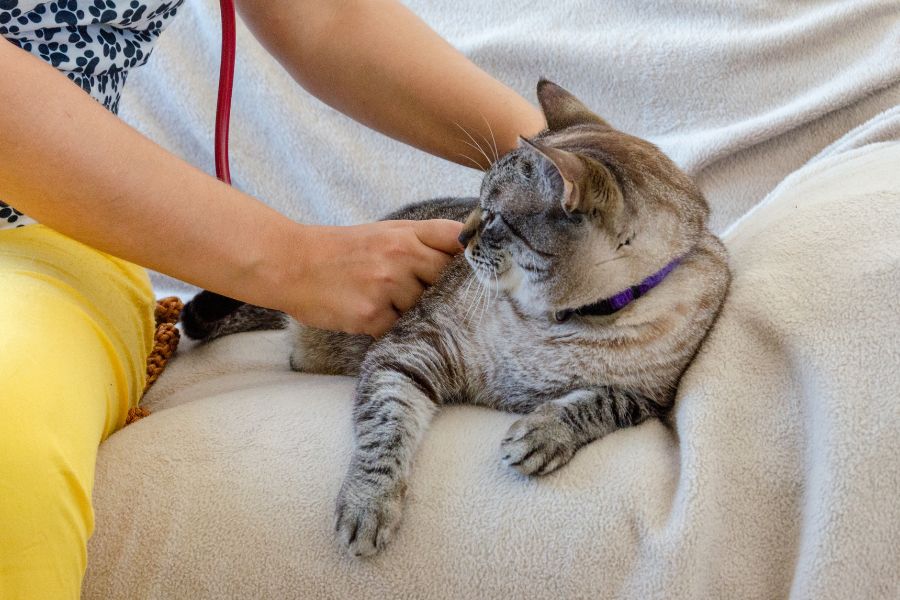
Laser therapy for cat pain is especially effective because cats are notoriously difficult to medicate. Many cats refuse oral medications or experience digestive side effects from long-term anti-inflammatories. Laser therapy offers a drug-free alternative that cats typically tolerate without stress.
Cats most often benefit from laser therapy for:
- Chronic arthritis, which is far more common in senior cats than most owners realize
- Stomatitis and oral inflammation following dental treatment
- Skin lesions, hotspots, and wounds that are slow to heal
- Nerve pain and recovery from spinal or orthopedic conditions
In our experience, cats are often calmer during laser sessions than dogs. The warmth and light appear to have a relaxing effect, and sessions can be completed without restraint in most cases.
One common misconception is that cats simply “slow down with age” and that nothing can be done. In reality, many senior cats living with undiagnosed arthritis pain show dramatic improvement with consistent laser therapy. Kinston, NC area pet owners are often surprised by how much more active their older cats become after a full treatment course.
What Vet Laser Therapy Conditions Require Ongoing Treatment?
Some vet laser therapy conditions respond to a short series of sessions and then hold their improvement. Others, particularly degenerative or chronic conditions, require ongoing maintenance visits to sustain the results.
Conditions that typically need a short treatment series (4 to 8 sessions):
- Post-surgical wound healing
- Acute soft tissue injuries such as sprains or strains
- Skin lacerations and bite wounds
- Post-dental procedure oral tissue healing
Conditions that often require maintenance therapy:
- Osteoarthritis in senior dogs and cats
- Hip dysplasia with long-term structural changes
- Intervertebral disc disease with recurring flare-ups
- Chronic ear inflammation tied to underlying allergies
In North Carolina, we see a significant number of pets with arthritis that worsens during cooler months when joints stiffen. For these patients, monthly maintenance sessions through fall and winter help sustain the mobility gains they achieved during the initial treatment series.
Many dogs we treat for chronic hip pain are managed successfully with laser therapy alongside weight management and gentle exercise. The goal is always to reduce dependence on daily medication while keeping pain well controlled.
For Kinston, NC pet owners unsure whether their pet needs an acute or maintenance protocol, a thorough veterinary evaluation will identify the right plan. Riverbank Animal Hospital uses a structured intake assessment to match each patient to the correct course of treatment based on their condition, age, and overall health.
Conclusion
Laser therapy is a safe, well-tolerated, and effective option for pets living with pain, inflammation, or slow-healing injuries. It works across a wide range of conditions, from post-surgical recovery to chronic arthritis in senior cats and dogs. Results build over multiple sessions, and many patients maintain their improvement with periodic follow-up visits. If your pet is showing signs of stiffness, reluctance to move, or persistent discomfort, talk to your veterinarian about whether laser therapy for pets is appropriate for their specific needs. The team at Riverbank Animal Hospital is here to help you find a treatment plan that keeps your pet comfortable and active. Book an appointment today.
Frequently Asked Questions
Q: What is laser therapy for pets used to treat?
Ans: Laser therapy treats a range of conditions, including arthritis, hip dysplasia, post-surgical wounds, skin lacerations, intervertebral disc disease, oral inflammation, and ear infections. It works by using light energy to reduce inflammation, relieve pain, and speed tissue healing.
Q: Is laser therapy safe for cats and dogs?
Ans: Yes. Therapeutic laser therapy is non-invasive, requires no sedation, and produces no cutting or burning of tissue. The most common precaution is protective eyewear for the pet and the technician during the session.
Q: How many laser therapy sessions does a pet need?
Ans: The number of sessions depends on the condition being treated. Acute injuries may resolve after 4 to 6 sessions, while chronic conditions like arthritis often benefit from an initial series followed by monthly maintenance visits.
Q: Will my pet feel anything during laser therapy?
Ans: Most pets feel gentle warmth or a mild tingling sensation in the treatment area. Many relax during the session, and some fall asleep. The procedure is not painful.
Q: Can laser therapy replace medication for my pet?
Ans: Laser therapy can reduce or eliminate the need for certain medications in some pets, particularly those with chronic pain conditions. Your veterinarian will assess your pet’s individual needs and may recommend laser therapy as a standalone treatment or alongside other therapies.