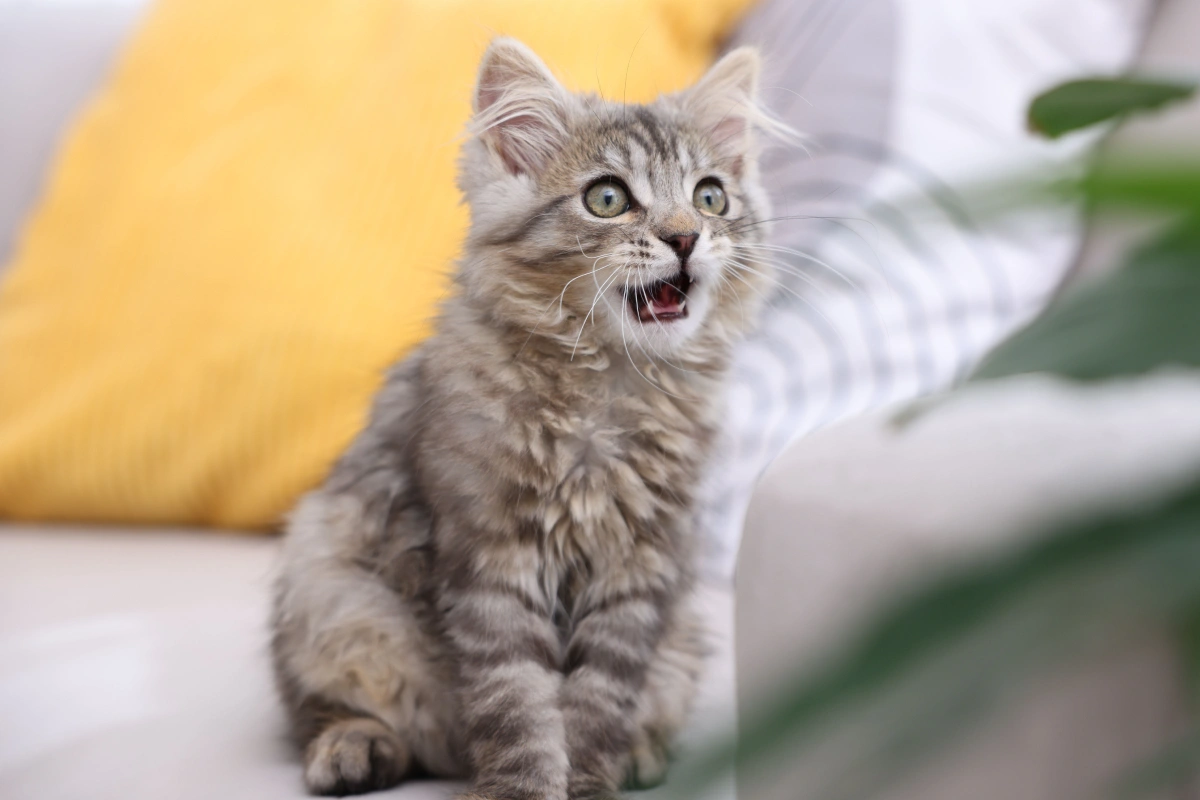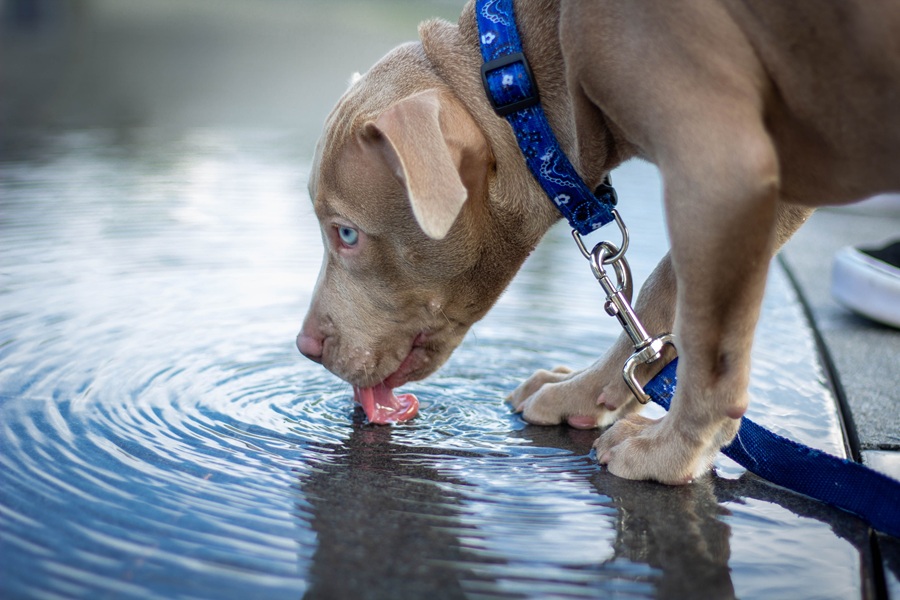


Your dog used to bound up the steps without a second thought. Now he hesitates at the bottom. Your cat no longer leaps to her favorite windowsill. These small changes are easy to dismiss, but they often point to something that needs attention. Osteoarthritis in dogs and cats is one of the most common conditions we treat, yet it remains one of the most underrecognized. Many pet owners assume that slowing down is simply a normal part of aging. In reality, joint pain and stiffness can start earlier than most people realize, and it is progressive. The good news is that with the right care, most pets with osteoarthritis can live comfortable, active lives. This article explains what causes osteoarthritis, how to recognize it early, and what treatment options are available.
What Is Osteoarthritis and How Common Is It?
Osteoarthritis is a degenerative joint disease. It occurs when the cartilage that cushions the ends of bones gradually breaks down. As that cartilage wears away, bone begins to rub against bone, causing inflammation, pain, and reduced range of motion.
This condition affects both dogs and cats, though it shows up differently in each species. In dogs, it is estimated that one in five adults develops some degree of arthritis during their lifetime. In cats, studies suggest that more than 60% of cats over age six show signs of joint degeneration on X-ray, even when their owners have noticed nothing unusual.
That gap between what the X-ray shows and what the owner sees is important. Cats are instinctive hiders of discomfort. They quietly adapt by moving less, avoiding jumps, and withdrawing. By the time a cat’s pain becomes visible, the condition has often been progressing for some time.
What Are the Signs of Osteoarthritis in Dogs and Cats?
Osteoarthritis in dogs and cats presents differently depending on the species, but both show clear signals when the joint disease is progressing.
In dogs, common signs include:
- Stiffness after rest: Your dog struggles to stand after sleeping or sitting for a while, then loosens up after a few minutes of movement.
- Reluctance to exercise: Shorter walks, lagging behind, or hesitating at stairs or ramps.
- Limping or favoring a leg: Especially noticeable after physical activity or on cold mornings.
- Behavioral changes: Irritability, reduced interest in play, or reacting when touched near the joints.
- Muscle loss: Visible reduction in muscle mass around the hips or shoulders over time.
In cats, signs are often subtler:
- Reduced jumping: Avoiding high surfaces or jumping less gracefully than before.
- Changes in grooming: Difficulty reaching certain areas, leading to a dull or matted coat.
- Litter box avoidance: Getting in and out becomes uncomfortable, so accidents happen nearby.
- Withdrawing from interaction: Less interest in play, hiding more, avoiding being picked up.
In our experience, pet owners often tell us they thought their pet was just getting older when the early signs of arthritis were present. If you notice any of these changes, contact your veterinarian promptly. Catching the condition earlier means more options and better outcomes.
Why Do Pets Develop Osteoarthritis?
Osteoarthritis does not have a single cause. Several factors can contribute to its development, and many pets face more than one.
Age is the most significant factor. As joints are used over years, the cartilage naturally wears down. This is why senior pets are at much higher risk. However, arthritis is not exclusive to older animals.
Breed and body size play a role in dogs especially. Large and giant breeds such as German Shepherds, Labrador Retrievers, and Golden Retrievers are genetically predisposed to joint problems. Hip and elbow dysplasia, which are inherited structural abnormalities, often progress into full osteoarthritis over time.
Weight is one of the most controllable risk factors. Excess body weight places additional stress on every joint with every step. In North Carolina, we see a significant number of pets with signs of arthritis whose condition is worsened by carrying extra pounds.
Previous injuries can also set the stage for osteoarthritis later in life. A torn ligament, fracture, or joint infection can alter the way a joint moves and accelerates cartilage breakdown over time.
In cats, joint pain in pets can develop from previous trauma, conformational issues, or simply the cumulative wear of a long and active life. Unlike dogs, cats rarely show a clear single cause.
How Is Osteoarthritis Diagnosed and Treated?
Diagnosis starts with a physical examination. Your veterinarian will assess your pet’s gait, check for swelling or pain responses around the joints, and evaluate range of motion. X-rays are typically needed to confirm the diagnosis and see how far the disease has progressed.
Once diagnosed, treatment is tailored to your pet’s age, weight, lifestyle, and the severity of their joint disease. There is no cure for osteoarthritis, but the condition is very manageable. Treatment usually involves a combination of approaches:
- Weight management: Even modest weight reduction significantly reduces pressure on affected joints. This is often the single most impactful change a pet owner can make.
- Prescription anti-inflammatory medications: These reduce joint inflammation and improve comfort. Your veterinarian will determine the appropriate medication and dosage based on your pet’s health history.
- Joint supplements: Omega-3 fatty acids, glucosamine, and chondroitin are commonly recommended to support cartilage health over the long term.
- Physical rehabilitation: Controlled exercises, hydrotherapy, and therapeutic massage can improve mobility and muscle strength in arthritic pets.
- Environmental modifications: Ramps instead of stairs, orthopedic bedding, and raised food bowls reduce daily strain on painful joints.
- Newer injectable therapies: Options such as monoclonal antibody injections have shown promising results in managing chronic joint pain in both dogs and cats.
Pet pain management for osteoarthritis has advanced considerably in recent years. Today, many arthritic pets achieve a significantly better quality of life than was possible even a decade ago.
Many dogs and cats we treat for arthritis show noticeable improvement within weeks of starting a well-designed care plan. The goal is not just pain relief. It is helping your pet move comfortably, stay active, and enjoy their daily life.
Supporting an Arthritic Pet at Home
Managing cat limping treatment options and canine joint disease does not stop at the clinic. Daily life at home has a real impact on how your pet feels.
Here are practical steps that make a meaningful difference:
- Keep them moving, gently. Short, consistent walks are better than long, occasional ones for arthritic dogs. Inactivity stiffens joints further.
- Warm up the environment. Cold and damp conditions worsen joint stiffness. In cooler months in North Carolina, keep sleeping areas warm and away from drafts.
- Elevate food and water bowls. This reduces neck and shoulder strain for dogs with front-limb arthritis.
- Provide easy litter box access for cats. Low-entry boxes placed close to where your cat spends most of their time reduce the effort needed to use them.
- Stick to a healthy weight. Work with your veterinarian to establish a realistic, sustainable diet that keeps your pet at an appropriate body weight.
One of the most common misconceptions we hear from pet owners is that an arthritic pet should be kept completely still and rested. In reality, controlled, gentle movement maintains muscle mass, supports joint fluid circulation, and helps prevent the rapid decline that comes with inactivity. Riverbank Animal Hospital helps clients build veterinary care routines that complement the medical treatment plan.
Recognizing When to Call Your Vet
Some situations call for a prompt veterinary visit rather than a wait-and-see approach. If your pet suddenly seems much more painful than usual, stops eating, cries out when touched, or cannot bear weight on a limb, seek immediate veterinary attention.
For pets already diagnosed with osteoarthritis, periodic recheck appointments matter. Senior pet joint care means adjusting medications as the disease progresses, monitoring organ function if your pet is on long-term medication, and reassessing the overall care plan as your pet ages.
Conclusion
Osteoarthritis is a slow-moving condition, but that does not make it easy to live with. Recognizing the early signs, understanding the causes, and acting on treatment options are the most important things a pet owner can do. Osteoarthritis in dogs and cats is not a sentence to a life of suffering. With consistent care, many pets remain comfortable and active for years after diagnosis. Prioritizing senior pet joint care, maintaining a healthy weight, and staying current with your veterinary visits all make a genuine difference. The team at Riverbank Animal Hospital is here to help you navigate every stage of your pet’s arthritis care with practical, compassionate guidance. Book an appointment today.
Frequently Asked Questions
Q: What are the early signs of arthritis in dogs?
Ans: Early signs include stiffness after rest, hesitation on stairs, reduced interest in walks, and mild limping after activity. Many dogs remain active in early stages, so subtle behavior changes are often the first clue.
Q: Can cats get osteoarthritis?
Ans: Yes, cats develop osteoarthritis frequently, and it often goes undetected because cats instinctively hide discomfort. Signs include reduced jumping, changes in grooming habits, and litter box avoidance.
Q: What causes arthritis in dogs and cats?
Ans: Osteoarthritis is caused by the gradual breakdown of cartilage in the joints. Contributing factors include age, breed predisposition, excess body weight, and previous joint injuries or infections.
Q: Is there a cure for osteoarthritis in pets?
Ans: There is no cure, but osteoarthritis is very manageable. A combination of weight management, medication, supplements, and physical therapy helps most pets maintain a good quality of life.
Q: How is arthritis in pets treated?
Ans: Treatment typically includes anti-inflammatory medications, joint supplements, weight management, physical rehabilitation, and environmental modifications. Your veterinarian will design a plan based on your pet’s specific needs and health history.