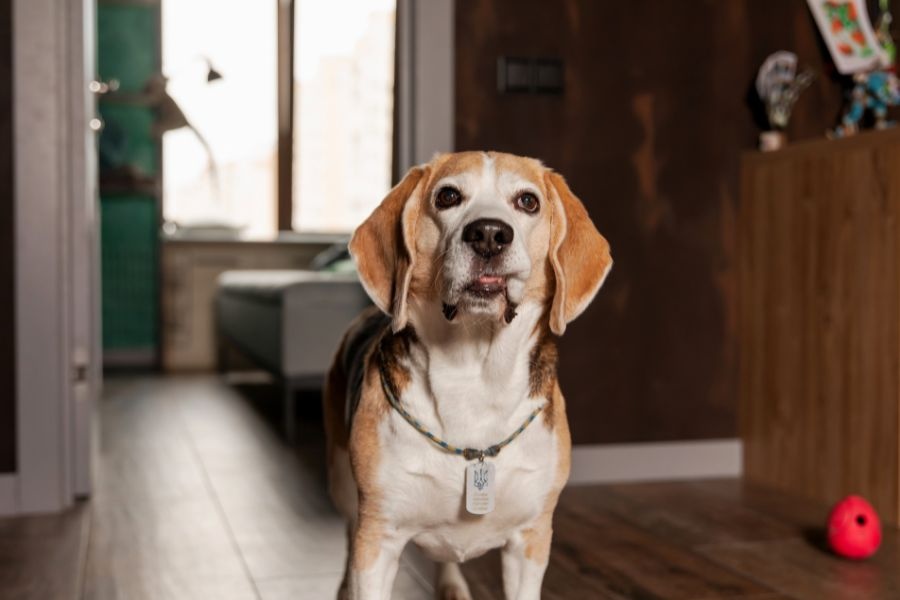


Does your dog seem a little rounder than usual? Are you unsure whether your cat is at a healthy weight? You are not alone. One of the most common concerns we hear from pet owners is: “Is my pet too heavy?” The answer starts with understanding the pet body condition score, a simple tool vets use to assess whether an animal is underweight, just right, or carrying extra pounds. This guide will walk you through exactly how it works, what to look for at home, and when it is time to call your vet. You do not need any special equipment. All you need are your hands, good lighting, and a few minutes.
What Is a Body Condition Score?
A body condition score, often called a BCS, is a hands-on assessment used to evaluate a pet’s fat coverage and muscle mass. Veterinarians typically use a 9-point scale. A score of 4 to 5 out of 9 is considered ideal. Scores of 6 or 7 indicate your pet is overweight. Scores of 8 or 9 suggest obesity. Scores below 4 signal your pet may be underweight.
The pet’s body condition score goes beyond what the scale shows. Two dogs of the same breed can weigh the same and have completely different body compositions. One may be lean and muscular. The other may have excess fat hiding under a thick coat. That is why a hands-on evaluation matters so much.
The World Small Animal Veterinary Association and the AAHA both recommend regular BCS assessments as part of routine wellness care. Many pet owners are surprised to learn that an estimated 60% of dogs and cats in the United States are currently overweight or obese.
How to Check Your Pet’s Body Condition at Home
Knowing how to tell if your pet is overweight does not require a vet visit every time. You can do a basic check at home using three simple steps.
Step 1: The Rib Check: Place both hands on your pet’s sides with your thumbs along the spine. Press gently. You should feel the ribs easily without pressing hard. They should feel like the back of your knuckles, present but not sharp. If you cannot feel the ribs at all, excess fat is likely covering them.
Step 2: The Waist Check: Look at your pet from above. You should see a gentle inward curve just behind the ribs. A pet at a healthy weight for dogs has a visible waist. A straight line from shoulders to hips, or a barrel shape, suggests extra weight.
Step 3: The Abdominal Tuck: View your pet from the side. The belly should tuck upward slightly behind the rib cage. A belly that hangs down or sits level with the chest is a sign worth discussing with your vet.
Signs of Excess Weight You Can See and Feel
The signs of pet obesity are not always obvious, especially in fluffy breeds. Here are the most common indicators to watch for:
- No visible waist from above: The body appears rounded or oval-shaped instead of hourglass.
- Ribs are difficult to feel: You have to press firmly before feeling any rib definition.
- Reduced activity: Your pet tires quickly on walks or avoids play they used to enjoy.
- Difficulty grooming: Cats, especially, may struggle to reach their hindquarters when excess weight limits flexibility.
- Heavy breathing after light activity: Mild exercise should not leave your pet gasping.
Pet owners often tell us they thought their pet was just “getting older” when the real issue was excess weight slowing them down. Both problems can coexist, but weight management often leads to dramatic improvements in energy and comfort.
Why Extra Weight Is More Dangerous Than It Looks
Many pet owners assume a slightly chubby pet is harmless, even endearing. In reality, excess weight shortens your pet’s life and reduces its quality significantly. Overweight pets face a higher risk of diabetes, arthritis, heart disease, and certain cancers.
In North Carolina, we see this often in older dogs whose activity level has dropped but whose food portions have stayed the same. A cat’s weight check at home every few weeks can catch a gradual gain before it becomes a serious health problem. Catching it early gives you the best chance of reversing it with simple changes.
One important misconception we correct regularly: free-feeding dry kibble is one of the leading causes of feline obesity. Cats are natural grazers, but an unlimited bowl of calorie-dense food quickly adds up. Scheduled meals with measured portions are far more effective for maintaining a healthy cat weight check at home.
According to AAHA guidelines, even a 5% to 10% reduction in body weight can meaningfully reduce inflammation and improve mobility in pets with arthritis. Small steps lead to real results.
What Your Vet Can Do That You Cannot
A home check is a great starting point, but your nearest veterinarian can catch things hands and eyes alone will miss. A full wellness exam includes an official body condition score, muscle condition score, and weight recorded over time. Those trends matter more than any single number.
Your vet can also rule out underlying causes of weight gain. Hypothyroidism in dogs and certain hormonal disorders in cats can cause unexplained weight gain even with a controlled diet. Understanding the signs of pet obesity is useful, but a diagnosis requires professional evaluation.
If your pet scores a 6 or higher on the BCS scale, your vet will likely recommend a weight management plan. That plan may include a prescription weight loss diet, adjusted feeding schedule, and safe exercise guidelines. A healthy weight for dogs is maintained long-term through consistent monitoring, not just a temporary diet.
At Riverbank Animal Hospital, we take a practical, compassionate approach to weight management. We know it can feel overwhelming, and we are here to guide you every step of the way.
Conclusion
Your pet cannot tell you they are uncomfortable. They cannot ask for help. That is why learning to evaluate the pet body condition score at home is one of the most valuable things you can do as a pet owner. Regular checks take only a few minutes. They can catch gradual weight gain before it becomes a health crisis. They give you something concrete to report at your next vet visit. And they help you advocate for your pet’s long-term well-being with confidence. If you are unsure about your pet’s current score or need help building a weight management plan, our team is ready to help. Book an appointment today.
Frequently Asked Questions
How often should I check my pet’s body condition score at home?
Ans: A quick body condition check once a month is a good habit for most pet owners. If your pet is on a weight loss plan or has a history of weight gain, checking every two weeks gives you a clearer picture of progress. Always record your findings so you can share them with your vet.
What is a healthy body condition score for dogs and cats?
Ans: On the standard 9-point scale, a score of 4 to 5 is considered ideal for both dogs and cats. A score of 4 means your pet is lean and fit. A score of 5 means they are carrying a healthy, moderate amount of body fat. Scores of 6 and above indicate your vet should be involved.
Can I use my pet’s weight alone to tell if they are overweight?
Ans: Weight alone is not reliable. Two dogs of the same breed and weight can have very different body compositions. A body condition score accounts for fat distribution, muscle mass, and overall frame, giving a much more accurate picture than the scale alone.
My pet acts normally. Does extra weight really matter?
Ans: Yes, it does. Many overweight pets appear happy and energetic until the joint pain, fatigue, or organ strain becomes impossible to ignore. By then, significant damage may already be done. Proactive weight management is far easier than treating obesity-related disease.
What should I feed my pet to help them reach a healthier weight?
Ans: Talk to your veterinarian before changing your pet’s diet. The right food depends on your pet’s species, age, current weight, activity level, and any existing health conditions. Your vet may recommend a prescription weight management food or simply a measured portion of their current diet.