

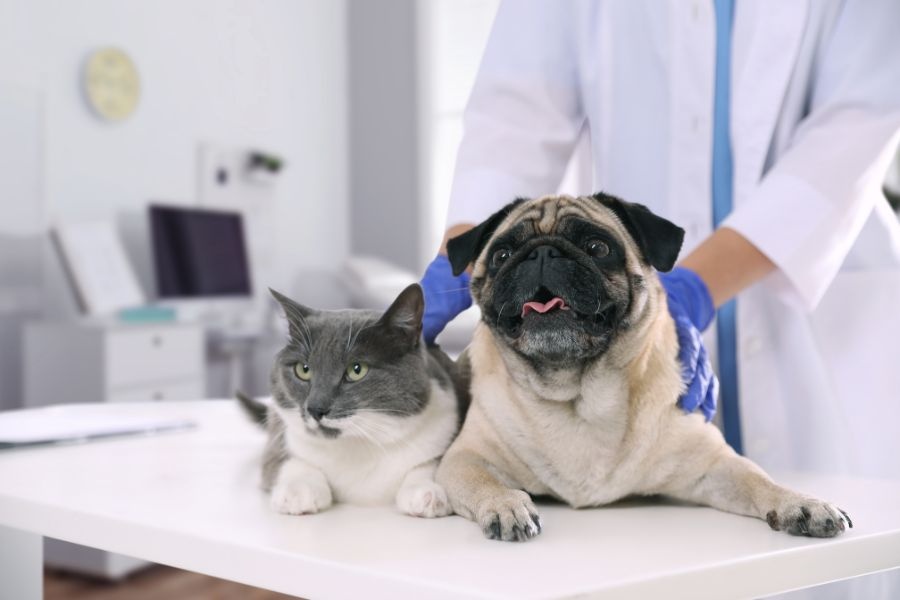
Most pet owners know their dog or cat needs a yearly vet visit. What many do not realize is how much actually happens during that appointment. A pet wellness exam for pet families scheduled each year is not a quick listen with a stethoscope and a vaccine or two. It is a systematic head-to-tail evaluation designed to catch early disease, update preventive care, assess pain and organ function, and give you a clear picture of where your pet stands health-wise right now. Missing even one annual exam can mean missing early kidney disease, dental infections, a developing heart murmur, or a lump that was small and removable six months ago. This guide walks you through every component of a comprehensive wellness visit so you understand exactly what your veterinarian is doing, why each step matters, and what to expect from start to finish.
What Does a Pet Wellness Exam Include?
A complete wellness exam covers far more than most pet owners expect. Your veterinarian works through a systematic physical evaluation of every major body system, looking for anything outside the normal range for your pet’s age, breed, and health history. Here is what a thorough exam includes:
- Weight and body condition score: Your vet assigns a numerical score reflecting whether your pet is underweight, ideal, or overweight. Even a small weight change since the last visit can signal thyroid disease, organ dysfunction, or early diabetes.
- Eyes and ears: Checked for discharge, cloudiness, redness, signs of infection, mites, or structural changes that develop gradually and are easy to miss at home.
- Mouth and teeth: Your vet evaluates gum color, tooth surfaces, and gumline health. An estimated 80 percent of dogs and 70 percent of cats show signs of periodontal disease by age three.
- Heart and lungs: A stethoscope exam listens for murmurs, arrhythmias, fluid, or abnormal breath sounds that indicate early cardiovascular or respiratory disease.
- Abdomen: Hands-on palpation checks organ size, shape, and tenderness. Enlarged lymph nodes, a thickened bladder wall, or an abnormally firm liver can all be identified through careful abdominal palpation.
- Skin and coat: Evaluates for parasites, rashes, lumps, hair loss patterns, and skin texture changes that can indicate allergies, hormonal imbalance, or infection.
- Limbs and joints: Assesses range of motion, muscle mass symmetry, and gait for signs of arthritis, ligament changes, or neurological issues.
- Lymph nodes: Palpated at multiple sites across the body to detect swelling that may indicate infection or early cancer.
In our experience, the physical exam alone frequently uncovers findings the owner had not noticed, ranging from a small subcutaneous mass to early cataracts to the quiet beginnings of hip arthritis. That is the purpose of a trained eye working methodically through every system.
What Does a Pet Wellness Exam Include Beyond the Physical?
Knowing what a pet wellness exam includes beyond the hands-on portion helps you understand why these visits take the time they do. A complete wellness appointment also encompasses:
Parasite screening: A fecal test checks for intestinal parasites, including roundworms, hookworms, whipworms, and Giardia. In eastern North Carolina, heartworm testing is equally critical. The warm, humid climate creates ideal conditions for mosquito activity nearly year-round, making consistent heartworm prevention and annual testing non-negotiable for dogs.
Bloodwork and urinalysis: Not every pet needs full bloodwork at every visit, but your vet will recommend it based on age, breed risk factors, and clinical findings. A baseline blood panel establishes normal values for your individual pet, making future deviations meaningful and detectable.
Vaccine review: Your veterinarian reviews your pet’s vaccination history and administers or schedules any vaccines due. Vaccine recommendations are not one-size-fits-all. Your vet considers your pet’s lifestyle, age, health status, and regional disease risk when building a protocol.
Nutritional and weight counseling: If your pet’s body condition score has shifted or your vet identifies a breed-specific nutritional need, this is addressed directly with practical recommendations tailored to your pet’s current health.
Behavioral and lifestyle discussion: Changes in drinking, urination, sleep patterns, energy level, or appetite are discussed. These conversations frequently surface early clues to conditions that bloodwork or imaging can then confirm.
What Happens During Your Pet’s Annual Vet Checkup
Understanding the flow of an annual vet checkup pet owners experience helps reduce first-visit nerves, especially for owners bringing in a new pet or returning after a gap in care. Here is a step-by-step overview:
- Check-in and intake: Staff record your pet’s weight and ask about any concerns, changes in behavior, or symptoms you have observed since the last visit.
- Technician assessment: A veterinary technician takes vital signs, including temperature, pulse, and respiratory rate, and reviews your pet’s current medications and diet.
- Veterinarian physical exam: The doctor performs the full nose-to-tail evaluation described above, narrating findings as they go so you understand each observation in real time.
- Diagnostic recommendations: Based on exam findings, your vet may recommend a fecal test, heartworm test, bloodwork, or urinalysis. Each recommendation will be explained clearly before anything is performed.
- Vaccine administration: Any due vaccines are given with an explanation of what each one covers and why it is recommended for your pet specifically.
- Discussion and care planning: You receive a summary of findings, a plan for any follow-up care, and clear answers to every question on your list.
- Discharge instructions: Written discharge notes summarize what was done, what was recommended, and when your pet should return.
Pet owners often tell us they leave feeling more informed and confident than they expected. A well-run wellness visit is as much an education as it is an exam.
Choosing the Right Veterinary Care Near You
A veterinary care hospital near me search returns several options for Kinston pet owners, so knowing what to look for helps you choose confidently. Prioritize a clinic where your veterinarian takes time to explain every finding, welcomes your questions, and builds a personalized care plan rather than applying a generic protocol to every patient.
Transparency about what the exam covers, clear communication about diagnostic recommendations and their rationale, and a team that treats your pet as an individual are the hallmarks of a practice committed to genuine wellness care. Continuity matters too. A vet who sees your pet year after year builds a detailed health history that makes early disease detection far more reliable than isolated visits to different providers.
Riverbank Animal Hospital offers comprehensive wellness exams for pets in Kinston, with a team that brings the same thorough, attentive approach to every patient, regardless of age, breed, or health history.
Conclusion
A yearly pet wellness exam for pet owners is one of the highest-value investments in their animal’s long-term health. From the physical evaluation and parasite screening to vaccine planning and bloodwork, every component serves a purpose rooted in early detection and prevention. North Carolina’s climate makes consistent preventive care especially critical, and the right veterinary partner makes that care feel straightforward rather than stressful. Your pet cannot tell you when something feels off. A thorough wellness exam speaks for itself. Riverbank Animal Hospital is ready to be that trusted partner for every stage of your pet’s life. Book an appointment today.
Frequently Asked Questions
What is included in a pet wellness exam?
Ans: A comprehensive pet wellness exam includes a full nose-to-tail physical evaluation, weight and body condition scoring, parasite testing, heartworm testing for dogs, vaccine review, and a discussion of nutrition, behavior, and any clinical findings. Your vet may also recommend bloodwork or urinalysis based on your pet’s age and exam results.
How often should my pet have a wellness exam?
Ans: The American Animal Hospital Association recommends annual wellness exams for healthy adult dogs and cats, and twice-yearly visits for senior pets over age seven or those managing chronic health conditions. In North Carolina’s climate, consistent parasite prevention and testing make regular visits especially important.
Does my indoor pet need a wellness exam every year?
Ans: Yes. Indoor pets are still exposed to parasites, develop dental disease, gain or lose weight, and experience organ changes with age. Mosquitoes enter homes and can transmit heartworm disease to indoor dogs and cats. Annual exams catch these issues regardless of your pet’s lifestyle.
What should I bring to my pet’s annual vet checkup?
Ans: Bring a fresh fecal sample collected within 12 hours of the appointment, any prior vaccination records if your pet is new to the clinic, a list of current medications or supplements, and a written list of any behavioral or physical changes you have observed. The more information you share, the more productive the visit.
How long does a pet wellness exam take at a veterinary clinic?
Ans: A thorough wellness exam typically takes 30 to 45 minutes, depending on your pet’s age, health status, and whether diagnostics are recommended. Plan for a full hour if your pet is a senior or if bloodwork and additional testing are part of the visit.