
As temperatures start to drop and winter approaches, we know how essential it is to take extra care of our pets. For older canines and felines, winter can be a tough period. This is because their ability to regulate their body temperature may not be what it was when they were younger. Additionally, older animals may have some health issues that can compromise their ability to withstand the cold. However, there are a few things that you can do to ensure that these pets have a wonderful winter season.
Keep Them Warm and Cozy
As pets age, they often become less tolerant of cold weather. Older dogs and cats, especially those with thin coats, are prone to joint pain or arthritis. Discomfort may be aggravated by cold weather, with resulting stiffness, aching joints, or even reluctance to go outside.
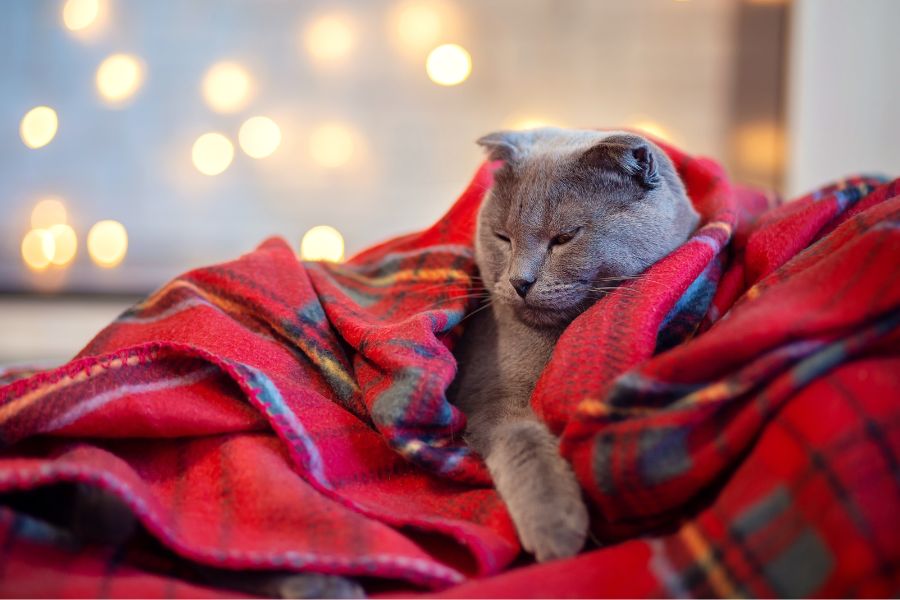
For senior dogs, provide extra bedding in a warm, draft-free area, and for cats, consider giving them hiding spots in the form of covered cat beds or warm blankets for them to snuggle up in.
Tips for winter warmth
- Place their bed away from drafts and windows
- Use pet-safe heating pads or blankets
- Ensure they have a warm place to retreat to after outdoor activities
By making sure your pet has a comfortable, warm place to sleep, you help prevent discomfort and give them a retreat when the cold weather becomes too much.
Adjust Their Diet for Winter
Senior pets require extra nutrition during winter to help regulate their body temperature. During winter, pets tend to use more energy to keep warm, so it is essential to adjust their diet. Winter care for senior dogs needs a little more food to stay energetic, with a higher fat content. For senior cats, as they tend to be very fussy, you will need to add quality wet food.
You also need to adjust the portion sizes in addition to the weights. Older animals will certainly not burn many calories, so if they aren’t as active during the winter months, they will easily become overweight. Adjustment of their weight will control their obesity, which will cause other diseases, for instance, arthritis or diabetes.
Nutritional tips
- Increase protein and fat for warmth
- Offer wet food to encourage hydration
- Monitor weight to avoid overeating
For senior pets, a well-balanced diet during the winter months can help them stay strong and healthy, even as their activity levels change.
Keep Their Exercise Routine Active
Even though the thought of exercising may seem unappealing when the weather is cold outside, physical exercise is an absolute necessity for senior animals. In senior dogs, a lack of physical exercise can lead to stiffness and muscle loss, leaving them susceptible to joint pain and other physical impairments.
If you have a senior dog, consider short, gentle walks in the warmer parts of the day. If it’s too cold outside, indoor activities like fetch or tug-of-war can help burn off energy and keep them active. For senior cats, interactive toys, like laser pointers or feather wands, are a great way to get them moving indoors.
Exercise ideas for senior pets:
- Short, gentle walks for senior dogs
- Interactive toys for senior cats
- Play indoor games like fetch and tug-of-war
Protect Their Paws from the Cold
Many pet owners overlook how important it is to care for their senior dog’s paws during winter. Snow, ice, and salt can cause irritation, cracks, and dryness on their pads. Older dogs or those with issues like arthritis may be more prone to injury or discomfort. After walking outside in cold weather, it is helpful to wipe their paws and look for any redness, cuts, or signs of irritation to keep them comfortable and healthy.
Extra care is essential as winter care for senior cats, as cold weather can pose problems, especially if they go outside. Cats that venture outdoors should have a warm, dry place to rest when they come back inside. Indoor cats can also experience dry paws from indoor heating, so applying a pet-safe paw balm can help keep their paws soft and healthy. The goal is to ensure your cat feels comfortable and cared for throughout the colder months.
Paw care tips
- Wipe paws after outdoor walks
- Apply pet-safe paw balm to prevent cracking
- Limit outdoor exposure to extreme cold
Taking the time to care for your senior pet’s paws during the winter months can help prevent painful injuries and keep your pet comfortable and happy.
Watch for Signs of Winter Stress
Cold weather can sometimes make health problems in senior pets worse, especially conditions like arthritis, hip dysplasia, and heart issues. Watch carefully for any changes in how they behave, move around, or eat, and don’t hesitate to contact your nearest veterinarian if you notice anything unusual. Older pets may find it harder to show when they are uncomfortable, so paying close attention to their behavior is very important.
Some common signs that winter is causing stress on your senior pet include:
- Slower movements or reluctance to walk
- Difficulty getting up or lying down
- Shivering or trembling
- Loss of appetite or dehydration
If your senior pet exhibits any of these signs, consult your vet for guidance on winter health management. Acting early can help avoid more severe issues.
Senior Pet Care: Keeping Them Safe
Taking extra precautions during winter helps ensure that your senior pets stay warm, healthy, and active. The cold season doesn’t have to be uncomfortable for your pets. You can make it easier for them by adjusting their diet, providing a warm space, keeping them active with regular exercise, and protecting their paws from the cold. It is also essential to monitor their health closely and watch for any signs of stress or discomfort to keep them happy throughout the season.
If your senior pet needs help with winter care, contact Riverbank Animal Hospital in Kinston, NC, to support you in keeping your older pets healthy and happy throughout the colder months.
Frequently Asked Questions
- What should I do if my senior dog is reluctant to go outside in the cold?
If your senior dog avoids outdoor walks in cold weather, try shorter, more frequent walks during the warmer part of the day. Use a dog sweater or jacket for added warmth, and consider indoor activities like fetch or gentle tug-of-war to keep them active.
- How can I keep my senior cat warm during winter?
To keep your senior cat warm, provide a cozy, quiet spot with blankets or a heated bed. Ensure your home stays warm and free from drafts, and offer plenty of food and water. Indoor cats should remain indoors to avoid exposure to cold, which can stress them.
- Should I change my senior pet’s diet for winter?
Yes, in cold weather, senior pets may need extra calories to maintain body temperature and energy levels. Add more fat and protein to their diet to help them stay warm, but monitor their weight to avoid obesity. Consult your vet to determine the appropriate adjustments for your pet’s needs.
- How often should I check my senior pet’s weight in winter?
Weigh your senior pet every few weeks during winter to ensure they’re maintaining a healthy weight. Cold temperatures can increase their caloric needs, but reduced activity can lead to weight gain. Adjust their portions accordingly to ensure they stay healthy and avoid excess weight, which can stress joints.
- Can cold weather cause my senior pet to develop joint pain?
Yes, cold weather can exacerbate joint pain, especially in senior pets with arthritis or mobility issues. Keep your pet warm and limit outdoor activity in freezing temperatures. Joint supplements, soft bedding, and easy access to resting areas can help alleviate pain and improve comfort during the colder months.