

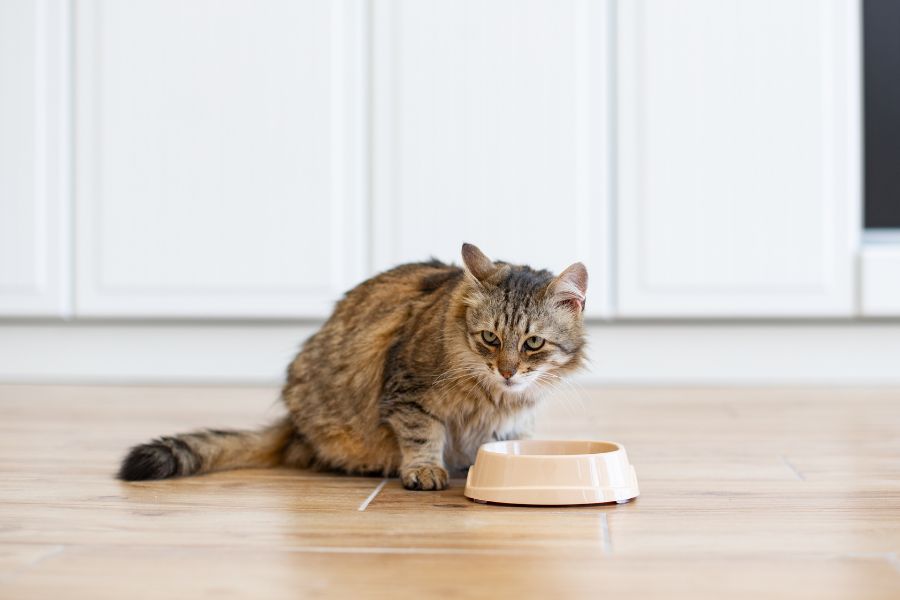
Overfeeding pets is more common than many owners realize, and far more dangerous. While those extra treats or heaping food scoops may feel like love, they can quietly put your pet at risk of obesity, joint problems, diabetes, heart disease, and shortened lifespan. In this guide, we explore the health risks of overfeeding pets, how to recognize early signs of weight gain, and the best feeding practices for indoor pets.
Why Overfeeding Pets Is More Dangerous Than You Think
Many pet parents unknowingly give their pets more calories than their bodies can handle. Indoor pets—especially cats and small-breed dogs—require far fewer calories than pets with active lifestyles.
The Hidden Health Risks of Overfeeding
Overfeeding is linked to several life-altering conditions, including:
- Obesity: The most common nutrition-related disease in pets.
- Arthritis & joint pain: Excess weight puts immense stress on bones and joints.
- Diabetes: Overeating can disrupt insulin regulation.
- Heart disease & high blood pressure: Fat accumulation affects cardiovascular function.
- Respiratory issues: Extra fat can restrict lung expansion.
- Reduced lifespan: Studies show overweight pets may live up to 2 years less.
These conditions develop quietly, making overfeeding a “silent killer” in pet health.
Common Signs You’re Overfeeding Your Pet
Most pet owners don’t realize they’re overfeeding because pets rarely refuse food. Watch for subtle changes such as:
- A widening waistline or sagging belly
- Difficulty moving, jumping, or climbing stairs
- Excessive tiredness or low energy
- Heavy breathing after mild activity
- Frequent begging or food obsession
- Difficulty feeling ribs beneath the fur
Behavior Changes Caused by Overfeeding
Pets that consume excessive calories may also develop unwanted behaviors:
- Restlessness or food guarding
- Excessive begging
- Reduced interest in play
- Sleep disturbances due to discomfort
Early detection helps prevent long-term health issues.
How Much Should You Feed Your Pet?
Determining the right amount of food depends on age, weight, breed, activity level, and health conditions.
Creating a Healthy Feeding Schedule for Pets
A structured schedule helps regulate metabolism, digestion, and behavior.
General feeding guidelines:
- Puppies/kittens: 3–4 meals per day
- Adult dogs: 2 meals per day
- Adult cats: 2–3 small meals or controlled free-feeding
- Senior pets: 2 smaller meals with easy-to-digest formulas
Stick to consistent feeding times to prevent overeating or grazing.
Portion Control Matters
Overestimating food portions is one of the biggest causes of weight gain.
Tips for better portion control:
- Use a measuring cup; never estimate by eye.
- Follow your food brand’s feeding chart based on ideal weight, not current weight.
- Adjust portions for indoor lifestyles.
- Reduce calories from treats—these should make up no more than 10% of daily intake.
Best Feeding Practices for Indoor Pets
Indoor dogs and cats burn fewer calories and require intentional dietary management.
Choose High-Quality Food
Look for formulas that include:
- Lean protein sources
- Controlled fat content
- High fiber to support satiety
- No fillers like corn or soy
Avoid These Common Overfeeding Mistakes
- Filling the bowl whenever it looks empty
- Feeding table scraps
- Giving multiple treats a day
- Free-feeding high-calorie dry kibble
- Not accounting for training treats in daily calories
Small daily habits can make a big difference.
Healthy Rewards to Replace High-Calorie Treats
Try offering:
- Carrot sticks
- Green beans
- Small apple slices
- Freeze-dried protein bites
- Dental chews designed for weight control
These alternatives provide enrichment without unnecessary calories.
How to Help an Overweight Pet Lose Weight Safely
Weight loss for pets should always be intentional and supervised.
Step 1: Consult Your Veterinarian
Your nearest veterinarian in Kinston can determine:
- Your pet’s ideal target weight
- Safe calorie reduction levels
- Whether weight gain is linked to medical conditions
- The right food type or prescription diet
Step 2: Adjust Feeding Amounts Gradually
Reduce calories slowly to avoid digestive upset or nutrient imbalance.
Typical recommendation: 10–15% calorie reduction every 2–3 weeks.
Step 3: Increase Activity Safely
Try:
- Short, frequent walks
- Laser pointers for cats
- Food puzzle toys
- Gentle play sessions
Never force activity on a pet struggling with mobility or arthritis.
Step 4: Track Progress
Monitor:
- Weight every 2–4 weeks
- Energy levels
- Appetite
- Changes in mobility
A slow, steady weight loss of 1–2% of body weight per week is ideal.
When to Seek Veterinary Care
Overfeeding becomes a medical issue when pets show signs like:
- Rapid weight gain
- Difficulty breathing
- Lameness or joint stiffness
- Refusal to exercise
- Persistent vomiting or digestive issues
- Excessive thirst or urination
Overfeeding pets is a quiet but serious threat to their long-term health. By understanding the risks, controlling portions, choosing high-quality foods, and following a healthy feeding schedule, you can help your pet live a longer, healthier, more energetic life. If you’re in Kinston, NC and looking for expert guidance from an animal hospital like, Riverbank Animal Hospital provides trusted veterinary care near you to help you keep your pet at a healthy weight and feeling their best every day.
FAQs
Q1: How can I tell if I’m overfeeding my pet?
Ans: Look for signs like weight gain, difficulty feeling the ribs, lethargy, and constant begging. A vet can help determine if your pet is overweight.
Q2: What is the healthiest feeding schedule for indoor pets?
Ans: Most adult pets do well with 2 meals a day, while cats may benefit from 2–3 smaller meals. Consistency helps prevent overeating.
Q3: Are treats bad for pets if they’re overweight?
Ans: Treats aren’t harmful when used sparingly. Keep them under 10% of daily calories and choose low-calorie options.
Q4: How quickly should an overweight pet lose weight?
Ans: A safe rate is 1–2% of body weight per week. Faster weight loss can be harmful.
Q5: Does overfeeding shorten a pet’s lifespan?
Ans: Yes. Studies show overweight pets can live up to two years less due to increased risk of disease and organ strain.