

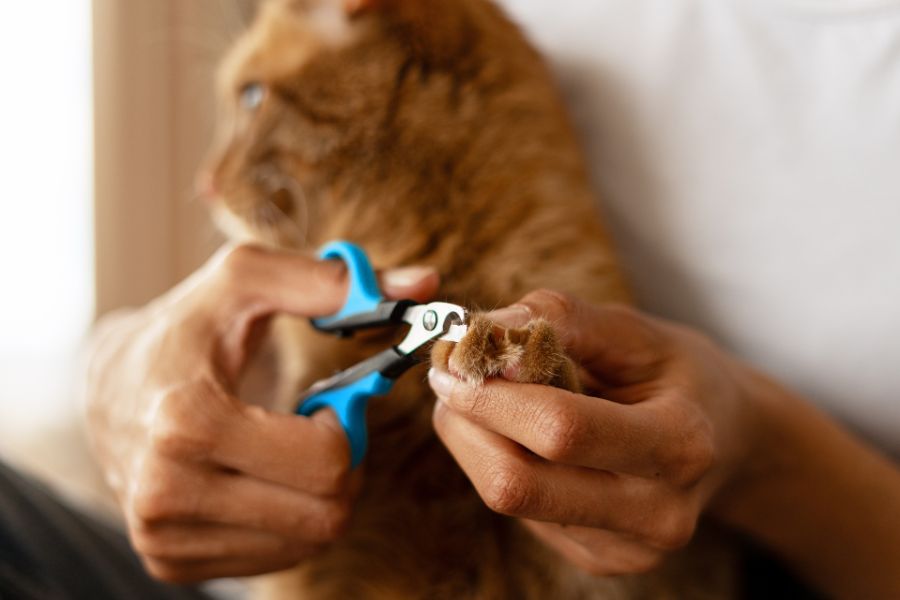
Nail trimming is an essential part of your pet’s grooming routine, but many pet owners find it intimidating. Whether you’re trimming cat nails safely or maintaining your dog’s paw health, the right tools and techniques make all the difference. This complete nail trimming guide for pet owners covers everything you need to know for safe, stress-free grooming at home.
Why Regular Nail Trimming Matters for Pets
Keeping your pet’s nails at a proper length is more than a cosmetic task — it’s essential for their comfort and mobility. Overgrown nails can cause pain, affect posture, and even lead to joint problems.
Key benefits of regular nail trimming include:
- Preventing painful nail splits or breaks
- Maintaining healthy foot structure
- Reducing scratches on floors and furniture
- Preventing ingrown nails and infections
For both dogs and cats, regular grooming helps them walk comfortably and reduces the chances of injury during play or exercise.
Understanding Pet Nail Anatomy
Before you begin, it’s important to understand the structure of your pet’s nails.
- Dogs: Each nail has a “quick” — a pinkish area inside that contains nerves and blood vessels. Cutting into the quick causes pain and bleeding, so avoid trimming too close.
- Cats: Cat claws are retractable and thinner. You can usually see the quick more clearly, especially on light-colored nails. Trim just the sharp tip to avoid injury.
Knowing where the quick is located helps you trim safely and confidently.
Essential Tools for Safe Pet Nail Trimming
Having the right tools is key to making nail trimming smooth and stress-free.
Recommended tools:
- Pet nail clippers: Guillotine or scissor-style clippers designed for pets.
- Styptic powder: Stops bleeding instantly if you accidentally cut the quick.
- Nail file or grinder: Smooths rough edges after trimming.
- Treats and patience: Helps keep your pet calm and rewards good behavior.
Avoid using human nail clippers, as they can crush or splinter pet nails.
How to Trim Dog Nails Safely at Home
Trimming your dog’s nails doesn’t have to be stressful if you go slowly and stay calm.
Step-by-step guide:
- Choose a quiet spot. Make sure your dog is relaxed and comfortable.
- Hold the paw gently. Press lightly on the pad to extend the nail.
- Identify the quick. On light nails, look for the pink area. On dark nails, trim small bits at a time to avoid cutting too deep.
- Trim gradually. Clip off the sharp tip and stop if you see a white circle — that’s close to the quick.
- Smooth the edges. Use a file or grinder for a neat finish.
- Reward your dog. Give treats and praise after each paw to reinforce positive behavior.
If your dog is anxious, start with one paw at a time and gradually build their comfort over several sessions.
How to Trim Cat Nails Safely
Cats can be more sensitive during nail trimming, so it’s best to take a calm and gentle approach.
Here’s how to do it right:
- Get your cat comfortable. Let them sit on your lap or a soft surface.
- Gently press the paw. This extends the claws so you can see them clearly.
- Locate the quick. Trim just the translucent tip of the claw.
- Cut small amounts. Avoid trimming too close to the pink area.
- Finish with praise. Offer treats or cuddles to make the experience positive.
If your cat resists, try trimming one or two nails at a time, or seek help from a groomer.
Common Mistakes to Avoid When Trimming Pet Nails
Even experienced pet owners can make mistakes during grooming. Avoid these common pitfalls:
- Trimming too close to the quick
- Using dull or inappropriate clippers
- Skipping regular nail checks
- Forgetting to file sharp edges
- Rushing the process or forcing your pet
Tips for Stress-Free Pet Nail Grooming
If your pet dreads nail trimming, a few simple strategies can make the experience easier:
- Start early: Introduce nail care when your pet is young.
- Use positive reinforcement: Reward calm behavior with treats or praise.
- Stay calm yourself: Pets sense your anxiety, so keep your tone gentle.
- Break it up: Trim a few nails at a time if your pet gets restless.
- Try a grinder: For pets afraid of clippers, a nail grinder can feel safer and more gradual.
These methods help your pet associate nail trimming with calm and positive experiences rather than stress.
When to Seek Professional Help
Sometimes, professional grooming is the best option. Seek help from a vet or groomer if:
- Your pet has black nails that make it hard to locate the quick
- They become aggressive or fearful during grooming
- Their nails are severely overgrown or curling into the paw
- You’re uncomfortable trimming on your own
Professional groomers have the right tools, experience, and gentle techniques to keep your pet safe.
Proper nail care is essential for your pet’s comfort and well-being. With the right tools, patience, and confidence, you can safely trim your dog’s and cat’s nails at home. Regular grooming not only prevents discomfort but also strengthens the bond between you and your pet.
If you are looking for the best pet care clinic in Kinston, NC, Riverbank Animal Hospital is the right choice for compassionate, advanced, and reliable pet care.
FAQs
Q1: How often should I trim my pet’s nails?
Ans: Most dogs and cats need nail trimming every 3–4 weeks, depending on how quickly their nails grow and how active they are.
Q2: What happens if I cut the quick by mistake?
Ans: If you accidentally cut the quick, use styptic powder or cornstarch to stop the bleeding and comfort your pet with a treat.
Q3: How do I know if my pet’s nails are too long?
Ans: If you hear clicking sounds when your pet walks on hard surfaces, it’s a sign the nails are too long.
Q4: Are nail grinders safe for pets?
Ans: Yes, when used correctly. Nail grinders can help smooth edges and prevent over-cutting, especially for nervous pets.
Q5: My pet hates nail trimming — what should I do?
Ans: Take it slow, use treats, and consider trimming one paw at a time. If your pet stays fearful, visit a professional groomer for help.