
When you think of your pet’s health, you probably consider food, exercise, or vet visits. However, water plays just as critical a role, and it’s often overlooked. Much like humans, pets depend on hydration to keep every organ functioning efficiently. Without enough water, their health can decline rapidly. If you truly want your furry friend to thrive, understanding the importance of hydration is essential. A veterinarian families trust or a veterinary hospital pet owners rely on can guide you further in safeguarding your pet’s hydration levels.
The Vital Role of Water in Pet Health
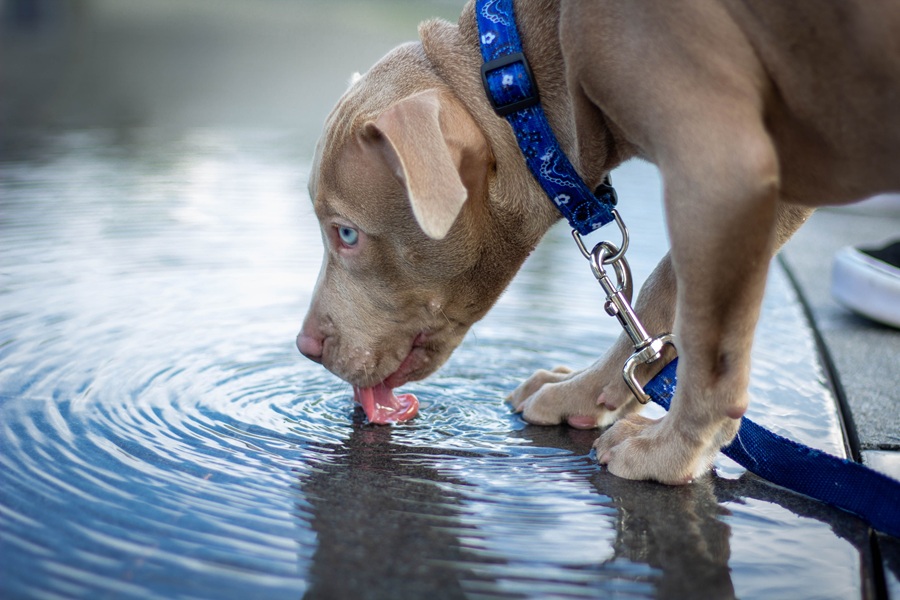
Water is more than just a thirst quencher—it’s the lifeline of your pet’s body. It makes up a large percentage of their body weight and fuels vital functions every day. From transporting nutrients to flushing toxins, water is indispensable.
Your pet’s organs, including the brain, kidneys, and liver, rely on hydration to perform properly. Even their joints, skin health, and digestion depend heavily on regular fluid intake. In short, water isn’t just part of the equation; it is the equation for health.
Signs Your Pet May Be Dehydrated
While some animals are naturally good at staying hydrated, others may not drink enough water on their own. Dehydration can creep in quietly, and spotting it early is key. Look out for these symptoms:
-
Dry gums or sticky saliva
-
Lethargy or unusual tiredness
-
Loss of skin elasticity (skin doesn’t bounce back quickly when gently pulled up)
-
Sunken eyes
-
Excessive panting
If these signs appear, don’t wait. Seek immediate help from a veterinary hospital Kinston pet owners depend on, as dehydration can quickly turn into an emergency.
Why Water Supports More Than Just Thirst
Keeping your pet hydrated contributes to more than preventing dehydration. Adequate water intake supports:
-
Healthy digestion: Water helps break down food and absorbs nutrients.
-
Temperature regulation: Pets use water through panting and sweating (through paw pads) to cool themselves.
-
Joint support: Proper hydration keeps cartilage cushioned and joints moving smoothly.
-
Kidney function: Water flushes toxins and prevents urinary tract problems or kidney stones.
This demonstrates how water affects every layer of health—not just moments of thirst.
Encouraging Your Pet to Drink More
Many pet owners struggle to get their pets to drink enough water daily. Fortunately, there are effective strategies:
-
Refresh water bowls frequently to keep them appealing.
-
Use stainless steel or ceramic bowls since plastic may retain odors.
-
Add ice cubes during warm days for a cooling, fun twist.
-
Try pet fountains—pets often drink more from running water.
-
Mix a little low-sodium broth into their water to boost flavor.
If your pet consistently refuses water, visit a veterinarian locals trust to rule out medical issues that might suppress drinking.
Hydration and Different Life Stages
Just as humans have different hydration needs throughout life, so do pets. Puppies and kittens often need more water relative to their size as they grow. Senior pets, on the other hand, may drink more due to health conditions but can also become dehydrated faster.
Monitoring water intake becomes even more important if your pet has chronic conditions such as diabetes, kidney disease, or heart issues. Vet hospital professionals can help customize hydration strategies suited to your pet’s stage and health status.
When to Seek Veterinary Guidance Immediately
Sometimes, decreased water drinking or excessive thirst signals underlying health issues. For example, sudden drinking changes can relate to diabetes, kidney disease, or urinary infections. Frequent excessive drinking (polydipsia) is also a warning sign not to be ignored.
If you notice unusual patterns, do not delay. A veterinarian Kinston families rely on can run diagnostic tests and uncover the root cause. Acting early saves both your pet’s health and peace of mind.
FAQs
Q1. How much water should my dog or cat drink daily?
Ans. Most pets need about one ounce of water per pound of body weight each day. However, activity level, diet, and climate can influence this.
Q2. What should I do if my pet isn’t drinking water?
Ans. Encourage hydration using strategies like pet fountains or flavored water. If refusal continues, contact a veterinary hospital offers for evaluation.
Q3. Can wet food help keep my pet hydrated?
Ans. Yes, wet food contains moisture that supports hydration, especially useful for cats who may not drink enough water.
Q4. Why is my pet drinking so much water suddenly?
Ans. Excessive water intake can signal health conditions like diabetes or kidney disease. Visit a vet pet owners trust for testing.
Q5. Are fountains better than bowls for pets?
Ans. Some pets prefer running water and drink more from fountains, making them a great option for picky drinkers.
Q6. Should I worry if my senior pet drinks more than usual?
Ans. Yes, while some increase is normal, sudden or excessive thirst could indicate health issues. A veterinary hospital can help identify the cause.