
Dogs display many fascinating behaviors, but when routine habits become excessive, pet owners start to worry. Circling before lying down is normal for many dogs, yet when it turns into restless pacing or repeated spinning, it could signal an underlying issue. One of the most overlooked possibilities is anxiety. By learning the connection between circling and stress, you can better support your pet’s emotional health. Professional guidance from a vet families recommend or a trusted veterinary hospital can help pinpoint the root cause.
The Ancient Ritual Meets Modern Stress
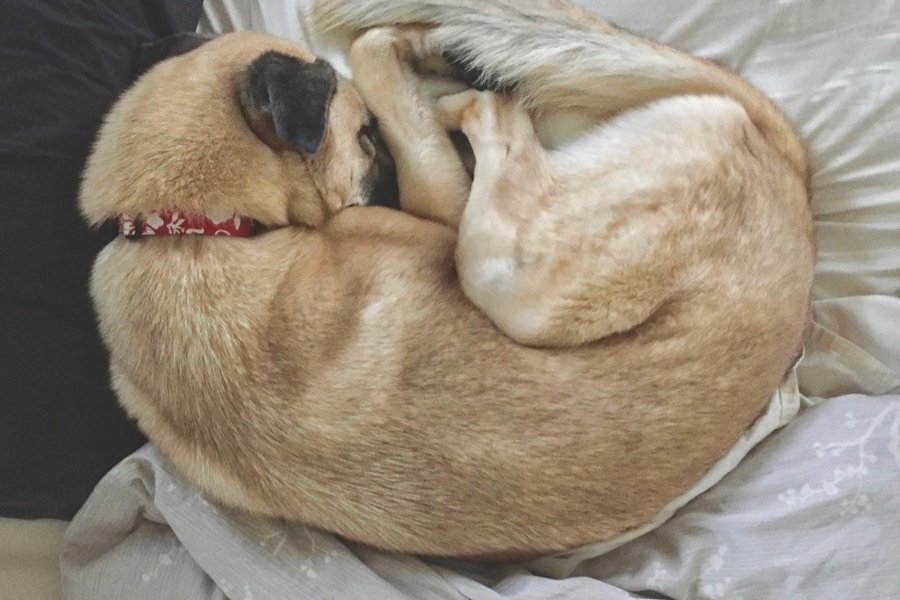
Circling in dogs began as a survival instinct. Wild canines circled to flatten grass, check for predators, and create a safe, comfortable place to sleep. Today, though, our pets don’t need to worry about tall grass or hidden threats. Yet, this behavior persists because it’s coded into their DNA.
However, when circling is prolonged or obsessive, the simple instinct may be masking something else. Dogs experiencing stress or anxiety often channel their worry into repetitive actions like circling or pacing. This is when it shifts from a harmless quirk to a red flag.
Recognizing Anxiety Through Behavior
Dogs rarely communicate distress in obvious ways. While whining and shaking are clear signs, anxiety can show through subtle actions like circling. Here are some key clues:
-
Circling repeatedly without finding a comfortable resting place
-
Pairing circling with panting, whining, or pacing
-
Struggling to settle even after several minutes
-
Showing other nervous behaviors like excessive licking or tail tucking
If your dog displays these alongside constant circling, it’s time to consider anxiety as a potential cause.
Triggers That Spark Anxiety
Just like humans, dogs experience different stress triggers. Some of the most common include:
-
Separation from owners: Dogs who dislike being alone often circle obsessively while waiting.
-
Loud noises: Thunderstorms and fireworks can heighten restlessness.
-
Environmental changes: Moving to a new house, new furniture, or unfamiliar surroundings can amplify anxious circling.
-
Medical discomfort: Pain or neurological issues may worsen the urge to circle.
Pinpointing the trigger is the first step in giving your dog relief. A veterinarian Kinston residents trust can help uncover whether the cause is medical, emotional, or a mix of both.
When Circling Stops Being “Normal”
It’s important to distinguish normal circling—two or three turns before lying down—from excessive, restless circling. Observing your pet closely is key. If circling becomes constant, interrupts their sleep, or prevents them from relaxing, it likely reflects something deeper than instinct.
At this stage, consulting a veterinary hospital Kinston offers is the best path forward. Professionals can evaluate your dog’s overall health, run diagnostic tests, and check for anxiety-related behaviors that may need treatment.
Calming Strategies for Anxious Dogs
While professional care is essential for severe cases, you can also support your anxious pup at home. Consider these strategies:
-
Create a safe space: Offer a quiet area where your dog feels secure, away from loud noises.
-
Maintain a consistent routine: Regular walks, feeding times, and play reduce stress.
-
Exercise and mental engagement: Boredom worsens anxiety, so stimulate your dog with toys, puzzles, and training.
-
Comforting presence: Spending extra time near your pet during stressful events builds reassurance.
If these steps don’t bring improvement, a veterinarian residents rely on can recommend tailored solutions, including behavioral therapy or anxiety-reducing medications.
Partnering with a Veterinary Expert
Ultimately, when circling shifts from quirky to concerning, seeking guidance is critical. A veterinary hospital locals depend on offers both the expertise and diagnostic tools to uncover whether the problem stems from anxiety, pain, or more complex medical conditions. By addressing the cause promptly, you can help restore peace to your dog’s daily routine.
FAQs
Q1. Is circling always a sign of anxiety?
Ans. No, circling is often normal. However, if the behavior is excessive, restless, or paired with other stress signs, it could indicate anxiety.
Q2. When should I consult a veterinarian families recommend?
Ans. If circling is constant, disruptive, or combined with whining, pacing, or distress, it’s best to see a professional.
Q3. Can circling signal pain instead of anxiety?
Ans. Yes, pain from arthritis or neurological issues can cause circling. A vet hospital pet owners trust can check for these conditions.
Q4. Are certain breeds more prone to anxious circling?
Ans. Breeds with high energy levels or those predisposed to separation anxiety may be more likely to circle excessively.
Q5. Can I use home remedies to calm my dog’s circling?
Ans. Yes, strategies like consistent routines, safe spaces, and exercise can help. However, persistent issues require veterinary input.
Q6. Could anxiety medications help my dog?
Ans. In some cases, yes. A veterinarian can prescribe medications when behavioral approaches alone aren’t enough.