
Pets are part of the family, and just like family, their safety matters deeply. Collars and ID tags are helpful, but they can easily slip off, break, or become unreadable. That’s where microchipping steps in as one of the most reliable safety measures. By choosing a pet microchip in Kinston, you give your furry companion a permanent form of identification that significantly improves the chances of bringing them home if they’re ever lost.
What Exactly Is a Pet Microchip?
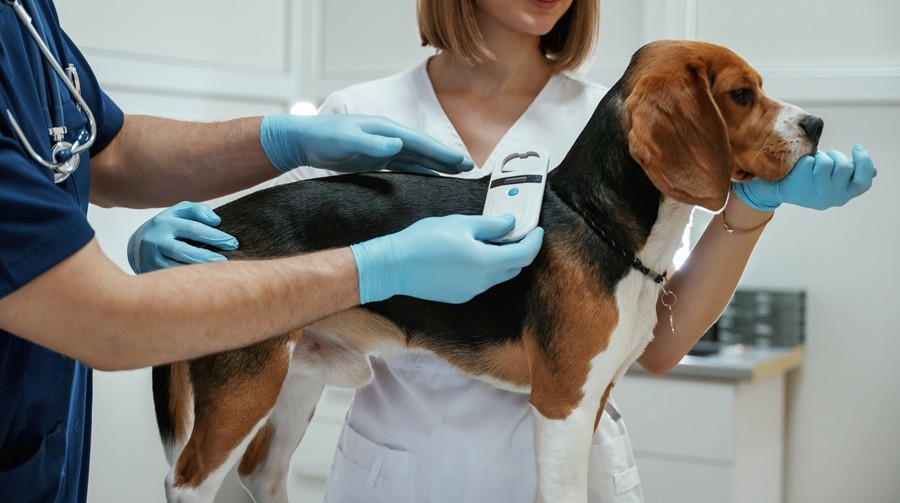
A microchip is a tiny device, about the size of a grain of rice, inserted just under your pet’s skin—usually between the shoulder blades. Contrary to common myths, a microchip is not a GPS tracker. Instead, it contains a unique identification number that links to your contact information in a secure database. When a lost pet is scanned at a veterinary office or shelter, the microchip reveals the owner’s details, making reunions possible.
The Quick and Painless Procedure
Many pet parents worry about the process, but microchipping is quick, simple, and safe. It’s similar to a routine vaccination—your pet may feel only a momentary pinch. Most pets don’t need anesthesia, and the procedure takes just a few seconds. Veterinarians offering pet microchip in Kinston ensure the process is comfortable and stress-free for both pets and their owners.
Why Microchipping Beats Collars Alone
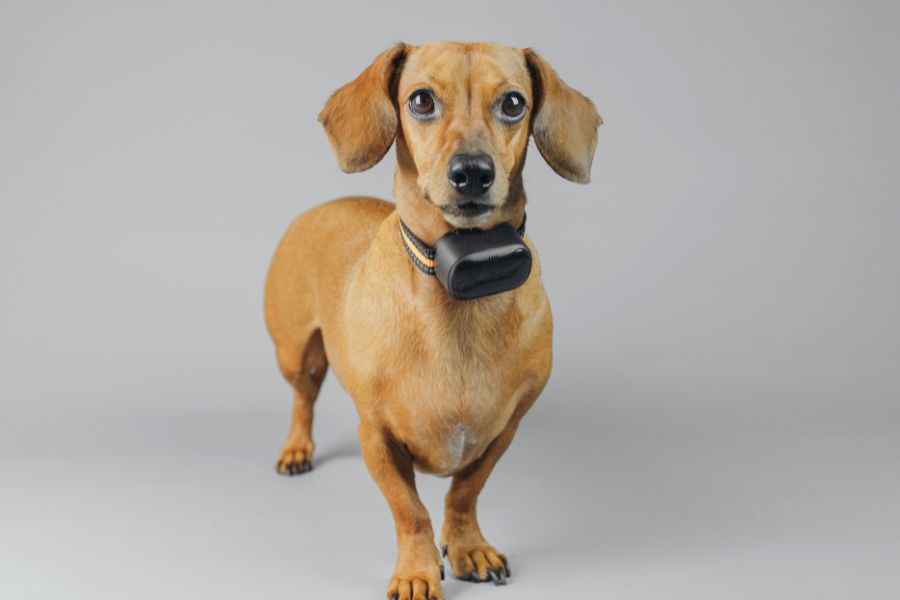
While collars and tags are important, they’re not foolproof. Pets can slip out of their collars, or tags may fade over time. A microchip, however, is permanent. Even if your pet loses every external identifier, their microchip remains active and scan-ready for life. This extra level of protection gives pet parents priceless peace of mind.
A Lifetime of Protection for a One-Time Investment
Unlike subscriptions or recurring costs, a microchip is a one-time investment with long-term benefits. Once your pet is chipped and registered, no additional procedures are necessary. With the services for pet microchip in Kinston, your pet gains a lifetime safety net that requires minimum upkeep yet provides maximum security.
How Microchips Reunite Families Every Day
Imagine the fear of losing track of your dog at the park or your cat sneaking out the door. These scenarios happen more often than pet parents expect. Statistics show that microchipped pets have a much higher chance of being reunited with their families compared to those without chips. Shelters and veterinary clinics scan stray or lost pets as their first step, making the microchip invaluable in these situations.
Keeping Information Updated Is Key
A microchip is only as effective as the information linked to it. If you move to a new home or change phone numbers, update the database immediately. Many pet owners don’t realize that outdated information can make a microchip useless. With guidance from providers of pet microchip in Kinston, you can ensure your contact details remain accurate and ready if needed.
Complementing Microchips With Everyday Safety
While microchipping is an essential step, it works best along with other safety practices. Keep ID tags on your pet’s collar, supervise outdoor activities, and make sure your yard or home is pet-proof. Layering safety measures reduces risks and ensures the best outcome if your pet gets lost.
FAQs About Pet Microchipping
1. Does microchipping hurt pets?
Ans. The procedure is quick and causes only minor discomfort, much like a routine vaccination. Most pets don’t even react beyond a small flinch.
2. How long does a microchip last?
Ans. A pet microchip is designed to last a lifetime. Once implanted, it doesn’t need replacement or recharging.
3. Can a microchip track my pet’s location?
Ans. No. A microchip isn’t a GPS device. It simply provides an ID number that links to your contact details in a registry.
4. How soon after microchipping does the chip work?
Ans. The chip works immediately. As soon as it’s scanned by a shelter or veterinary office, your contact info can be retrieved from the database.
5. Is microchipping only for dogs?
Ans. Not at all. Cats benefit just as much, since indoor cats can slip outside unnoticed. A pet microchip in Kinston is valuable for both dogs and cats.
6. What happens if my contact information changes?
Ans. You’ll need to update your information with the microchip registry. This step ensures your pet can still be reunited with you without delay.
Final Thoughts:
Microchipping is one of the simplest yet most powerful decisions you can make for your pet’s safety. It takes only minutes, but the benefits last a lifetime. By choosing a pet microchip in Kinston, you’re not just protecting your pet—you’re also investing in peace of mind for yourself and your family.
Because no matter where life takes you, knowing your furry friend has a permanent form of identification means that if separation ever happens, reunion is far more likely. Truly, this small device is one of the biggest gifts you can give your pet.