
When your pet undergoes surgery, the procedure itself is only the beginning. What happens afterward—at home—can either speed up their healing or trigger unwanted complications. Many issues arise not because the surgery was flawed but due to lapses in post-op care. That’s why knowing how to properly care for your furry friend is essential.
Whether it’s a routine spay/neuter or a complex procedure, pets recovering from surgery need structure, patience, and lots of love. If you’re looking for trusted professionals in pet surgery Kinston, having a solid at-home plan will perfectly complement the clinical care they receive.
Cone of Shame, Hero of Healing
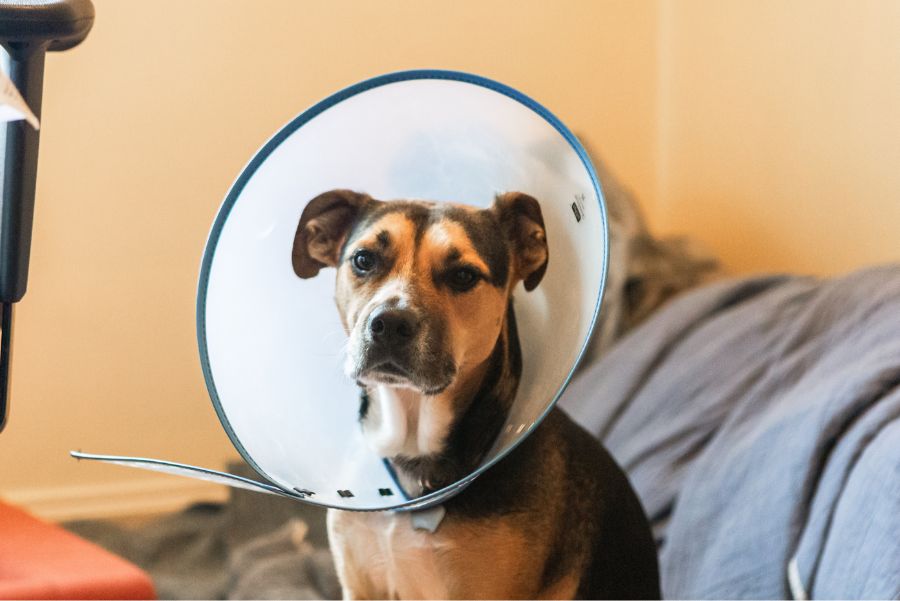
No one likes the “cone of shame”—especially your pet. But the Elizabethan collar (or e-collar) plays a vital role in keeping surgical sites safe. Pets naturally want to lick, scratch, or bite at the area. Unfortunately, this can reopen incisions, introduce infection, and delay healing.
If the traditional plastic cone stresses your pet too much, consider soft cones or inflatable alternatives. Whichever you choose, use it consistently for as long as your vet recommends. Skipping the e-collar, even “just for a little while,” can undo all the progress your pet has made.
Rest Is the Best Medicine
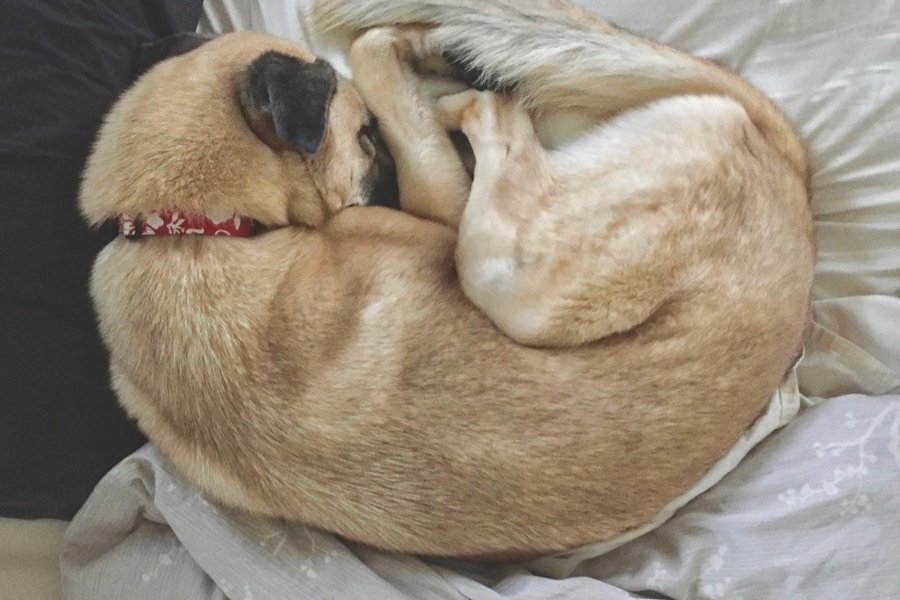
While your pet may seem eager to return to their usual antics, rest is absolutely critical. Avoid stairs, jumping, running, or rough play. These movements can tear internal stitches or stress their body when it needs peace and repair.
Set up a cozy recovery space—preferably on one level of your home—with soft bedding, limited distractions, and easy access to water. Keep other pets or young children at a distance for the first few days to minimize overexcitement or accidental injuries.
Watch, Don’t Wait
Your eyes are the first line of defense. Check the incision daily for signs of infection such as redness, swelling, discharge, or an unpleasant smell. Also, pay attention to your pet’s behavior. Are they more lethargic than usual? Refusing food or water? Running a fever? If yes, don’t delay—call your vet.
Quick action can prevent minor issues from turning into major ones. And when it comes to pet surgery Kinston providers, clear communication post-op ensures you stay supported through your pet’s healing journey.
Nutrition With Purpose
After surgery, your pet’s appetite might dip, but proper nutrition is still vital. Your vet may suggest a temporary switch to easy-to-digest, high-protein food that supports tissue healing. Offer small, frequent meals and encourage hydration.
If your pet refuses to eat for more than 24 hours, contact your vet. Avoid treats or table scraps during this period, even if they’re begging—digestive upsets can add unnecessary strain on their system.
Stick to the Script
Post-surgical medications, whether antibiotics or pain relievers, are prescribed for a reason. Skipping doses or stopping early—even if your pet “seems fine”—can lead to complications like infection or unnecessary pain.
Use a medication tracker or phone reminder to stay on schedule. Always finish the full course, and contact your vet if your pet shows side effects such as vomiting, diarrhea, or restlessness.
Frequently Asked Questions
1. How long should my pet wear the e-collar after surgery?
Most pets need to wear it for 7–14 days, depending on the type of surgery and how quickly the incision heals. Always follow your vet’s timeline.
2. What should the surgical site look like during healing?
The incision should remain clean and dry, with minimal swelling. Slight bruising is normal. If you see pus, heavy bleeding, or smell something foul, call your vet immediately.
3. How much activity is too much after surgery?
Any jumping, running, or stair-climbing is too much within the first week. Leash walks for potty breaks are usually fine, but check with your vet for specific limits.
4. Can I bathe my pet after surgery?
No. Baths can introduce moisture into the incision, increasing the risk of infection. Wait until your vet gives the green light—usually 10–14 days post-op.
5. What if my pet refuses food after surgery?
Some appetite loss is expected, but if your pet won’t eat after 24 hours or shows signs of distress, contact your vet. It may signal a complication or pain issue.
6. When should I schedule a follow-up appointment?
Most pets need a follow-up 7–10 days after surgery to check healing and possibly remove stitches. Your pet surgery Kinston clinic will guide you on timing.
Final Thoughts:
Your pet trusts you deeply. After surgery, that trust becomes more important than ever. With the right environment, timely care, and regular check-ins, you can help your furry companion heal faster and avoid setbacks. Every gentle step you take—every quiet cuddle and carefully measured dose—adds up to a successful recovery.
For those in need of guidance or post-op support, turning to experts in pet surgery ensures your pet’s journey back to health is smooth, supported, and stress-free.